
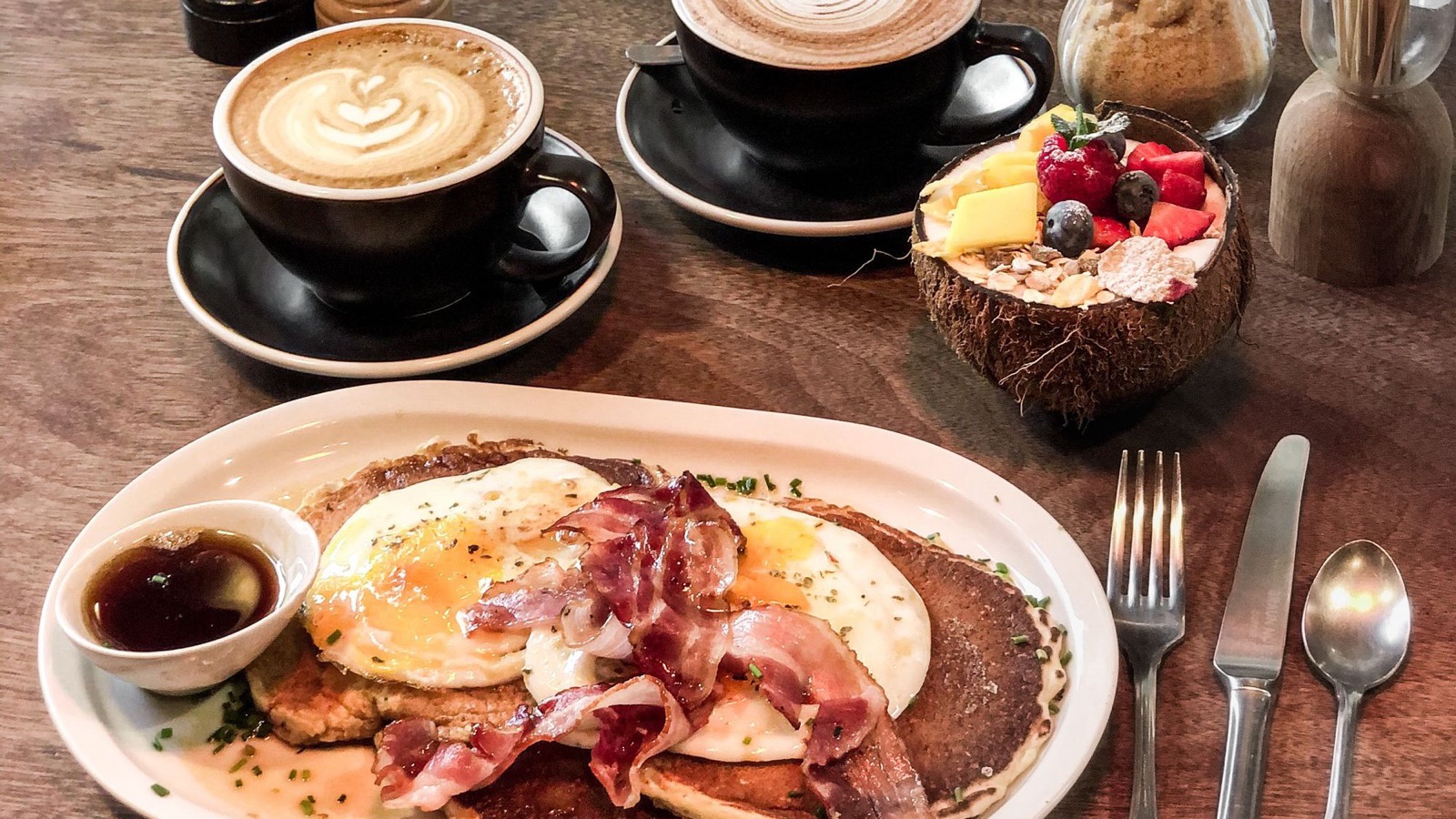
Photo by Vincent Rivaud on Pexels
Adding brunch looks like easy money. The dining room sits empty on weekend mornings anyway, eggs are cheap, and everybody loves brunch. Then the first Sunday hits: 40 tickets in an hour, a menu with 30 items on it, one cook on eggs, and a line out the door waiting on coffee.
The restaurants that make brunch work treat it as its own service, with its own menu logic. The brunch menu ideas below are picked for that job. They sell, they hold a healthy check average, and most of them can be built from what is already in your walk-in. Plenty of brunch lists are written for home cooks. This one is for a kitchen that has to put out a full dining room's worth of plates by noon.
We'll cover how to structure the menu, the dishes worth putting on it, the drinks that carry the check, and how to run the line so brunch makes money instead of just making noise.
What Brunch Has to Do for Your Restaurant
Before you write a single dish, be clear about why you are adding the service. Brunch usually earns its spot in one of three ways:
- It fills a dead daypart. You are already paying rent on a dining room that sits empty until 5pm on weekends.
- It brings in a different crowd. Brunch guests are often people who never come in for dinner. Some of them will.
- It is a marketing moment. Brunch plates get photographed and shared more than almost anything else you serve.
What brunch cannot do is run at a loss because the check average is low and the labor is high. A brunch plate usually sells for less than a dinner entrée, and the service is fast, loud and front-loaded. So the menu has to do two things at once: keep plate costs low and give guests easy reasons to add to the check. Every idea below is chosen with both in mind. Brunch labor also behaves differently from dinner labor, which is why we track it separately in our guide to restaurant labor cost.
How to Structure a Restaurant Brunch Menu
A restaurant brunch menu that sells is short. For most kitchens, 12 to 18 items is plenty, spread across a few clear sections. Every section has a job, and every job ties back to either the check or the line.
| Menu section | What it does | How many items |
|---|---|---|
| Table starters | Shared plates ordered the moment guests sit. Easy add-on, fast out of the kitchen. | 2 to 3 |
| Egg dishes | The core of brunch. Most covers order from here. | 4 to 5 |
| Sweet plates | Pancakes, French toast and the like. High perceived value, low plate cost. | 2 to 3 |
| Lunch-leaning plates | For the guest who wants a burger at 11am. Uses dinner prep. | 2 to 3 |
| Sides and add-ons | Bacon, potatoes, toast, an extra egg. Small, profitable check builders. | 4 to 6 |
| Drinks | Coffee, juice and brunch cocktails. Often the best margin on the ticket. | Its own card |
The same principles from our guide to restaurant menu development apply here: a tight list, every item earning its place, and nothing on the menu the kitchen cannot execute at volume.
Brunch Menu Ideas That Sell
These are the brunch menu items that hold up in a real restaurant. They are familiar enough that guests order them without a second thought, flexible enough to make your own, and built on ingredients most kitchens already stock.
Egg dishes
- A signature Benedict. Keep the base and swap the protein to make it yours: braised short rib, smoked salmon, crab cake, or a fried green tomato for the vegetarian version.
- Shakshuka or baked eggs. Eggs cooked in a tomato or pepper sauce, served in a cast iron or skillet with bread. The sauce is batch-made ahead, so it fires fast and looks great on the table.
- Chilaquiles. Tortilla chips, salsa, eggs, crema. Low plate cost, big flavor, and it uses chips and salsa you may already make.
- Breakfast tacos or a breakfast burrito. Fast to build on the line, easy to customize, and a strong to-go seller.
- A loaded hash. Crispy potatoes, a protein, peppers and onions, eggs on top. One of the best ways to use dinner trim.
Sweet plates
- One great pancake. Ricotta, buttermilk or lemon-poppy. One version done well beats four flavors done fast.
- A rich French toast. Brioche or challah, with a seasonal topping that changes every few weeks.
- Chicken and waffles. Sweet and savory, a crowd favorite, and it uses your fried chicken setup if you have one.
Lunch-leaning plates
- A brunch burger. Your dinner burger with a fried egg and bacon on it. Same prep, new menu slot.
- A fried chicken sandwich. Often the best seller for guests who are not in an egg mood.
- A grain bowl or big salad. The lighter option every table needs, and a place to add avocado or a protein for an upcharge.
Table starters
- Warm pastries or a small pastry board. Ordered as soon as guests sit, before they even look at entrées.
- Beignets or donut holes. Cheap to make, fun to share, and they sell themselves when another table gets them.
- Biscuits with a house jam or gravy. Simple, comforting, and great for the table.
Brunch prep that's done by Saturday night, not scrambled on Sunday morning.
The whole operation in one place, built around the way your restaurant already works. Money stops leaking, your time stops disappearing into follow-up, and every shift leaves a record with a name on it.
Build Brunch From Your Dinner Prep
The most profitable brunch menus borrow heavily from dinner. Every ingredient that crosses over is one less item to order, store, prep and potentially throw away. Before you add anything new, walk your dinner prep list and ask what it could become on a weekend morning.
- Braised short rib or pork shoulder becomes hash, a Benedict topping or taco filling.
- Dinner fries and potatoes become home fries or a crispy potato side.
- Your burger and chicken sandwich move straight over with an egg.
- Roasted vegetables go into a frittata, hash or grain bowl.
- Day-old bread becomes French toast, bread pudding or croutons for the brunch salad.
Do this
- Build most brunch dishes from dinner ingredients
- Add only a few brunch-only items, like eggs and pancake batter
- Plan brunch specials around what dinner left over
- Cost every plate before it goes on the menu
Not that
- A separate order guide just for brunch
- Twelve specialty ingredients for one weekend service
- Waffles, crepes and pancakes all on one menu
- Guessing at prices because "it's just eggs"
Crossover also cuts waste. A tighter set of ingredients means fewer half-used cases in the walk-in on Monday. Our guide to restaurant food waste covers how to spot where that product is slipping away.
Drinks Carry the Brunch Check
Brunch food prices have a ceiling. Guests will happily pay $16 for a Benedict, but they balk at $28. Drinks are where the check grows, and they are usually the highest-margin items on the ticket.
- A real coffee program. Good drip, espresso drinks, and refills that show up without asking. Slow coffee sours a busy brunch faster than almost anything.
- Fresh juice. Orange or grapefruit, squeezed in house or bought fresh, with a seasonal option.
- Two or three brunch cocktails. A Bloody Mary, a mimosa, and one house drink. Keep the list short so the bar can keep up.
- A non-alcoholic option that feels special. A house soda or a spritz without the spirit, priced like a cocktail.
If you are considering bottomless drink deals, check with your local licensing authority first. Rules on alcohol promotions vary by location, and some areas restrict them.
Example brunch check for a table of 2 (illustrative prices)
- Pastry board to share
- $9.00
- Short rib Benedict
- $17.00
- Ricotta pancakes
- $14.00
- Side of bacon
- $5.00
- 2 lattes
- $11.00
- 2 mimosas
- $22.00
- Table total
- $78.00
Look at where the money comes from. The two entrées are $31. Everything else, the starter, the side and the drinks, adds $47. Brunch menu design is mostly about making those add-ons easy to say yes to.
Brunch Specials That Keep Regulars Coming Back
Your regular brunch menu should stay stable. Brunch specials are where you get to play, and they give regulars a reason to come back next weekend.
- A weekly Benedict. Same base, a new topping each week, built from whatever dinner had extra of.
- A seasonal French toast or pancake. Peaches in summer, apples and cinnamon in fall.
- A feature cocktail. One new drink each month for the bar to push.
- A holiday brunch. Mother's Day, Easter and New Year's Day tend to be some of the busiest brunch days of the year. Treat them like events, with a set menu and reservations.
For more ways to run specials that actually move product, see our full list of restaurant specials ideas. And if brunch is part of a bigger push for weekend traffic, our restaurant marketing ideas guide covers how to get the word out.
Running the Line on a Brunch Rush
Brunch is a sprint. The room fills at once, everyone wants their food quickly, and eggs leave no room for error. The menu can be great and the service can still fall apart if the line is not set up for it.
- Set up an egg station with one owner. Poached, fried and scrambled orders all go to one cook who does nothing else during the rush.
- Batch what you can before doors open. Sauces, batter, potatoes, cut fruit and toppings should all be ready. Strong mise en place is what keeps brunch ticket times down.
- Set brunch-specific par levels. Brunch volume swings with weather and holidays. Track what you actually sold each weekend and adjust prep from there.
- Write the brunch prep list on Saturday. Sunday morning is too late to discover you are out of English muffins.
- Give the coffee station a dedicated owner. Someone on the floor whose job is coffee and refills keeps tables happy while the food fires.
For holding and food-safety procedures on items like sauces and cut fruit, set your own written process and confirm the details with your local health department.
Launch It Small, Then Cut What Doesn't Sell
You do not need to open brunch at full scale. The restaurants that get it right usually start small and let the numbers shape the menu.
- Start with one day. Sunday only, or Saturday only, until the kitchen has the service down.
- Cost and price every plate. Run each dish through recipe costing, then price it with the menu pricing formula. "It's just eggs" is how brunch ends up losing money.
- Run it for 4 to 6 weekends. Long enough to see real patterns, not just opening-week curiosity.
- Check your item mix. Which dishes sell, which ones sit, and which ones slow down the line.
- Cut the bottom two or three. Replace them with a new idea, or don't replace them at all. A shorter menu is usually a faster menu.
- Add a second day once the first one runs smoothly.
Brunch can be one of the best moves a restaurant makes. It fills empty seats, brings in new guests and gives your team a different kind of service to run. It just needs the same discipline as dinner: a tight menu, a costed plate, and a prep list that gets done before the doors open. For more ways to grow sales across every service, see how to increase restaurant sales.
If the hard part is getting brunch prep, par levels and opening checklists done the same way every weekend, no matter who is on, that is what Crewli is built for. We build a custom operations app around how your restaurant already runs, so Sunday's prep list is finished on Saturday night and every task has a name on it. Let's talk.
Frequently Asked Questions
What should be on a restaurant brunch menu?
A restaurant brunch menu works best with a few clear sections: 2 to 3 shared table starters like pastries or beignets, 4 to 5 egg dishes, 2 to 3 sweet plates like pancakes or French toast, 2 to 3 lunch-leaning plates like a burger or chicken sandwich, a handful of sides, and a short drink list built around coffee, juice and two or three cocktails. Build as much of it as you can from ingredients you already use at dinner.
How many items should a brunch menu have?
For most restaurants, 12 to 18 food items is plenty. Brunch is a fast, front-loaded service where the whole room orders at once, so a short menu keeps ticket times down and makes ordering easier for guests. Sides and drinks sit on top of that. If you are just launching, start toward the low end, watch your item mix for a few weekends, and cut anything that does not sell before adding more.
What are the most profitable brunch menu items?
Drinks are usually the most profitable items on a brunch check, especially coffee, fresh juice and brunch cocktails. On the food side, egg dishes, pancakes and French toast tend to have low plate costs, and table starters and sides like bacon, potatoes and toast are easy add-ons. Dishes built from dinner prep, like a short rib hash or a brunch burger, are also strong because they add no new ingredients to the order guide.
Is adding brunch worth it for a restaurant?
It can be, if the dining room sits empty on weekend mornings and the kitchen can handle a fast, high-volume service. Brunch fills a dead daypart, brings in guests who may never come for dinner, and gives you highly shareable plates. It goes wrong when the menu is too big, plates are not costed, or labor runs high against a lower check average. Start with one day, cost every plate, and let a few weekends of sales tell you whether to expand.
How do you price a brunch menu?
Price brunch the same way you price dinner. Cost every recipe from current invoice prices, then set the menu price from your target food cost percentage. Do not assume a dish is cheap because it is mostly eggs and bread: toppings, sauces and proteins add up. Then design the menu so add-ons are easy to order. Table starters, sides and drinks often add more to the check than the entrées do.
What are good brunch specials ideas?
Good brunch specials keep the core menu stable and give regulars a reason to come back. Try a weekly Benedict with a new topping built from what dinner had extra of, a seasonal pancake or French toast, a feature cocktail that changes monthly, and set menus for big brunch holidays like Mother's Day and Easter. Plan specials around ingredients you already have, so they help with waste instead of adding to it.
How do you prep a kitchen for a brunch rush?
Set up an egg station with one dedicated cook, and give someone on the floor ownership of coffee and refills. Batch sauces, batter, potatoes, cut fruit and toppings before doors open, and set brunch-specific par levels based on what you actually sold on past weekends. Write the brunch prep list on Saturday so nothing is missing on Sunday morning. For holding and food-safety procedures, write your own process and confirm the details with your local health department.