
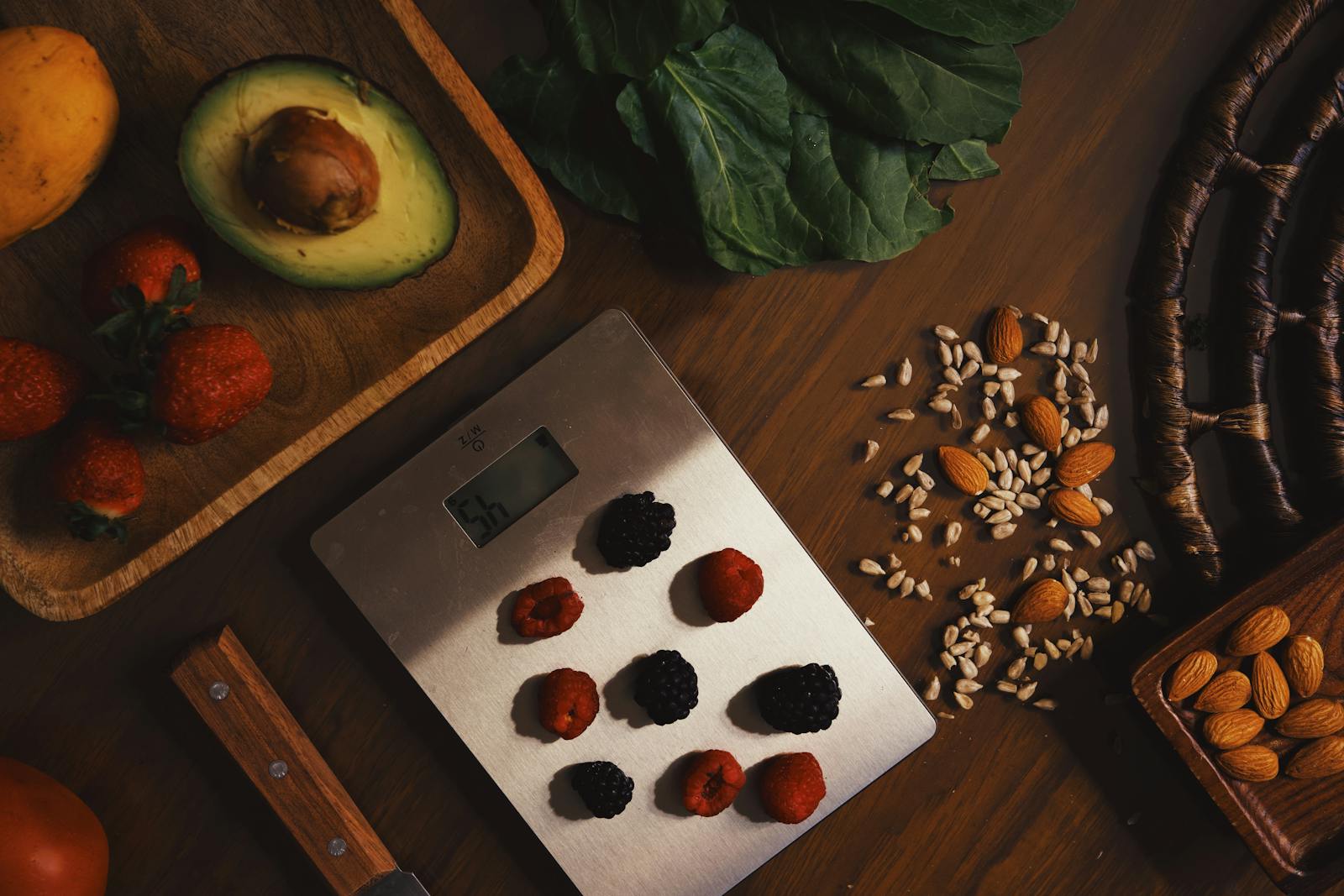
Most restaurants don't run unprofitably because the food is bad or the service is slow. They run unprofitably because nobody can tell you, within a dollar, what each dish on the menu actually costs to make. The dish was costed once when it went on the menu. Then beef went up, the produce supplier got swapped, the new line cook started portioning a little heavier, and the original number quietly became fiction.
Recipe costing is the discipline that prevents that. It's not a spreadsheet you build once and file away. It's an ongoing operational habit — the foundation that everything else in restaurant financial management sits on top of. Done well, it tells you exactly where your margin lives and where it's leaking. Done poorly, it makes every other number in the business unreliable.
This is what serious recipe costing actually looks like in a working kitchen — the steps, the traps, and the reason most operators never quite get it dialed in.
What Recipe Costing Actually Is
Recipe costing is the process of calculating, to the cent, what one finished portion of a dish costs in ingredients. Every component is included — the protein, the produce, the dairy, the dry goods, the sauce reductions, the garnish, the oil it's cooked in, the salt that seasons it, and the to-go packaging if it leaves the kitchen.
The output is a single number: cost per portion. From there, every other financial metric in a restaurant gets calculated against it — food cost percentage, gross margin per dish, menu profitability rank, theoretical food cost versus actual food cost. None of those numbers are real if the recipe cost behind them is wrong.
The reason recipe costing gets dismissed as boring spreadsheet work is that the math itself is trivial. A child with a calculator can do it. The hard part isn't the arithmetic — it's the discipline of keeping the inputs current as the world around the recipe changes.
Why Recipe Costing Is the Foundation of Profitability
A restaurant runs on three big cost centers: food, labor, and rent. Rent is fixed. Labor moves but slowly. Food cost moves every single week — and recipe costing is the only way to see it.
Without accurate recipe costing, you can't price a new menu item without guessing. You can't tell whether a supplier price hike justified itself. You can't pull the worst-performing dishes off the menu, because you don't know which ones they are. You can't run a 30%-off promo intelligently because you don't know your floor. And when the P&L comes back showing food cost ran 4 points high last month, you have no idea which dishes were responsible.
The operators who consistently hit their margins all share one habit: they treat recipe costing as live operational data, not as a once-a-year exercise. The recipe cost on a top-selling burger isn't a number from when the menu launched two years ago — it's a number from this week's invoice. That habit is what separates restaurants that grow from restaurants that just survive.

Your food cost holds whether you’re there or not.
The whole operation in one place, built around the way your restaurant already works. Money stops leaking, your time stops disappearing into follow-up, and every shift leaves a record with a name on it.
How to Cost a Recipe (Step by Step)
The process is identical for every dish, whether it's a $4 side salad or a $48 dry-aged ribeye. Follow it without shortcuts.
- Document the recipe in writing first. If the recipe lives in someone's head, you have nothing to cost. Write down every ingredient with exact quantities — weights for solids, volumes for liquids, units for pieces. This is also where a working restaurant SOP system earns its keep.
- Pull the current unit price from this week's invoice. Not last quarter's, not the price you remember. The price on the invoice that landed Monday. If you have multiple suppliers, use the one the kitchen actually used to fulfill this week's prep.
- Convert to per-portion cost for each ingredient. A 25 lb bag of flour at $32 is $1.28 per pound. If the recipe calls for 6 oz, that's $0.48. Do this for every line item.
- Account for yield loss. If you trim 1.5 lbs off every 10 lb tenderloin, your real usable cost per pound is higher than the invoice price by 15%. Yield-adjust every protein and every piece of produce that gets cleaned.
- Add the small ingredients. Oil, salt, herbs, garnish, sauce reductions, plate butter, finishing oil. Each one is small. Together they often add 10-15% to the per-portion cost.
- Add packaging if it's a to-go dish. Clamshell, sauce cup, lid, fork, napkin. Across thousands of orders, this is real money.
- Sum the components. That total is your recipe cost for one portion.
- Plug it into the food cost formula. Once you have the recipe cost, divide it by the menu price and multiply by 100 to get your food cost percentage. The full process — including a free calculator — is in our guide on how to calculate food cost percentage.
The first time you cost a full menu this way, it will take days. The second time will take half as long. By the third pass, the data is current enough that you're just adjusting line items as prices shift.
The Recipe Costing Mistakes That Quietly Kill Margin
The patterns we see kill more profit than any single bad menu decision:
- Costing once, never updating. The recipe cost from when the menu launched is rarely the same as the cost today. Treating the original number as permanent is the most common mistake in the entire industry.
- Ignoring the small stuff. Oil, salt, finishing herbs, sauce, packaging. A dish that "costs $4" almost always actually costs closer to $4.50 once you account for what gets used but never weighed.
- Forgetting yield loss. Trim, peel, cleaning waste, evaporation. Buying 10 lbs of an ingredient does not mean you have 10 lbs to plate. Recipe costing without yield adjustment underestimates real cost on almost every protein and most produce, and it is just as true in bakery operations, where flour, butter, and sugar costs move constantly.
- Costing in batch but not per portion. A pot of soup costs $42 to make and yields 24 servings. The recipe cost per portion is $1.75. Operators who track "batch cost" without per-portion math have no idea what each bowl actually costs to serve.
- Letting recipes drift without recosting. The line cook adds an extra ounce of cheese. The new sous tweaks the marinade. The dish slowly evolves but the spec sheet doesn't. Now the recipe being cooked is different from the recipe being costed. Our recipe sheet template is the fix: one page per dish, weighed rather than guessed, with the cost line on the same sheet.
- Using "industry average" instead of actual numbers. Your costs are not the industry's costs. Cost your recipes from your invoices, not from a benchmark you read somewhere.
Most of these mistakes share a root cause: recipe data is scattered. The chef has one version, the manager has another, the printed prep sheet says a third thing, and the actual line cooks are doing their own interpretation. When recipes live in three places, recipe costing is a guess no matter how good the math is.
How Often Should You Recost Recipes?
The honest answer: more often than feels reasonable. Here's a working cadence:
- Every quarter, recost the full menu. Block time, sit down with the most recent invoices, and walk through every dish. This is non-negotiable for any operator who wants to keep food cost percentage under control.
- Recost immediately when a major supplier price changes. A 10%+ jump in beef, chicken, dairy, or any high-volume ingredient should trigger a recost of every dish using that ingredient — before the next menu print, not after.
- Recost when a recipe changes. Any time a spec gets adjusted — new portion size, swapped ingredient, modified prep — the recipe gets recosted before the change goes live.
- Recost when a new dish launches. Every menu add gets costed before it gets a price. Pricing without costing is gambling.
The operators who only recost once a year, usually when the accountant flags a margin problem, are typically off by 3-6 points of food cost percentage without realizing it. That gap is the difference between a profitable restaurant and one that's bleeding quietly.
Where Recipe Costing Actually Lives in a Restaurant
Costed recipes are also half of the variance calculation, since they are what tells you how much product a night of sales should have used. Our guide to restaurant inventory management covers the other half. The math is the easy half. The hard half is keeping recipe data, supplier prices, and per-portion costs synchronized across the whole team — every shift, every week, on every device people actually use.
Paper recipe binders fail at this. So do isolated Excel files. So does any system that requires the chef to manually update the recipe in one place and the cost in another. The moment the inputs go out of sync, recipe costing stops being accurate, and the food cost percentage you're working from is fiction.
The kitchens we work with that have actually solved this problem centralize recipes and costs in one place — accessible from every cook's phone, updated instantly when a price shifts, with version history so nobody is ever working off an outdated spec. A custom operations app is what makes that practical. For the broader picture of what tight financial discipline looks like across the whole operation, our guide on restaurant operations management covers the systems that make it stick.
Recipe costing is also the input to two other decisions you'll make constantly: pricing menu items and reducing waste. For the pricing half, see our breakdown of the menu pricing formula most restaurants get wrong. For the waste half, our guide on restaurant food waste walks through how to stop the leaks that recipe costing can't see.
If you want recipe costing to stop being a spreadsheet exercise and start being live operational data, Crewli builds a fully custom platform that holds your recipes, prep specs, and ingredient costs together — updated instantly when prices shift, accessible to every team member. Let's talk.
Frequently Asked Questions
What is recipe costing in a restaurant?
Recipe costing is the process of calculating the exact ingredient cost of one finished portion of a dish, including every component — proteins, produce, dairy, sauces, garnishes, oil, salt, and packaging. It's the foundation of food cost percentage, menu pricing, and profitability tracking. Without accurate recipe costing, every other financial number in a restaurant is a guess.
How do you calculate the cost of a recipe?
List every ingredient in the recipe, get the current unit price from your most recent invoice, calculate the per-portion cost of each ingredient based on how much the recipe uses, then add them all together. Always include the small items — oil, salt, garnishes, sauces, and packaging. The total is your recipe cost for one portion.
How often should you cost recipes?
Recost every recipe at least once per quarter, and immediately when a major supplier price changes. Recipe costs drift constantly because ingredient prices shift, yields change, and prep amounts evolve. Restaurants that only cost recipes once a year are typically off by several points of margin without realizing it.
What's the difference between recipe costing and food cost?
Recipe costing tells you what one portion of one dish costs to make. Food cost percentage tells you what proportion of a dish's menu price goes to ingredients. Recipe costing is the input; food cost percentage is the output. You can't calculate food cost percentage accurately without first costing the recipe.
Why do most restaurants skip recipe costing?
Because it's tedious, ingredient prices change constantly, and most operators don't have a single place to store recipes and costs together. Costing one recipe takes 15 minutes; costing a full menu takes days. Most kitchens cost a dish once when it goes on the menu, then never touch it again — until the P&L shows a problem six months later.
Should you include labor in recipe costing?
Traditional recipe costing covers ingredients only. Labor is tracked separately as part of prime cost. However, dishes with unusually high labor — handmade pasta, complex pastry work, multi-day braises — should be flagged so menu pricing accounts for the extra hours, even if the ingredient cost looks reasonable on paper. For the labor side, see our guide on restaurant labor cost.