
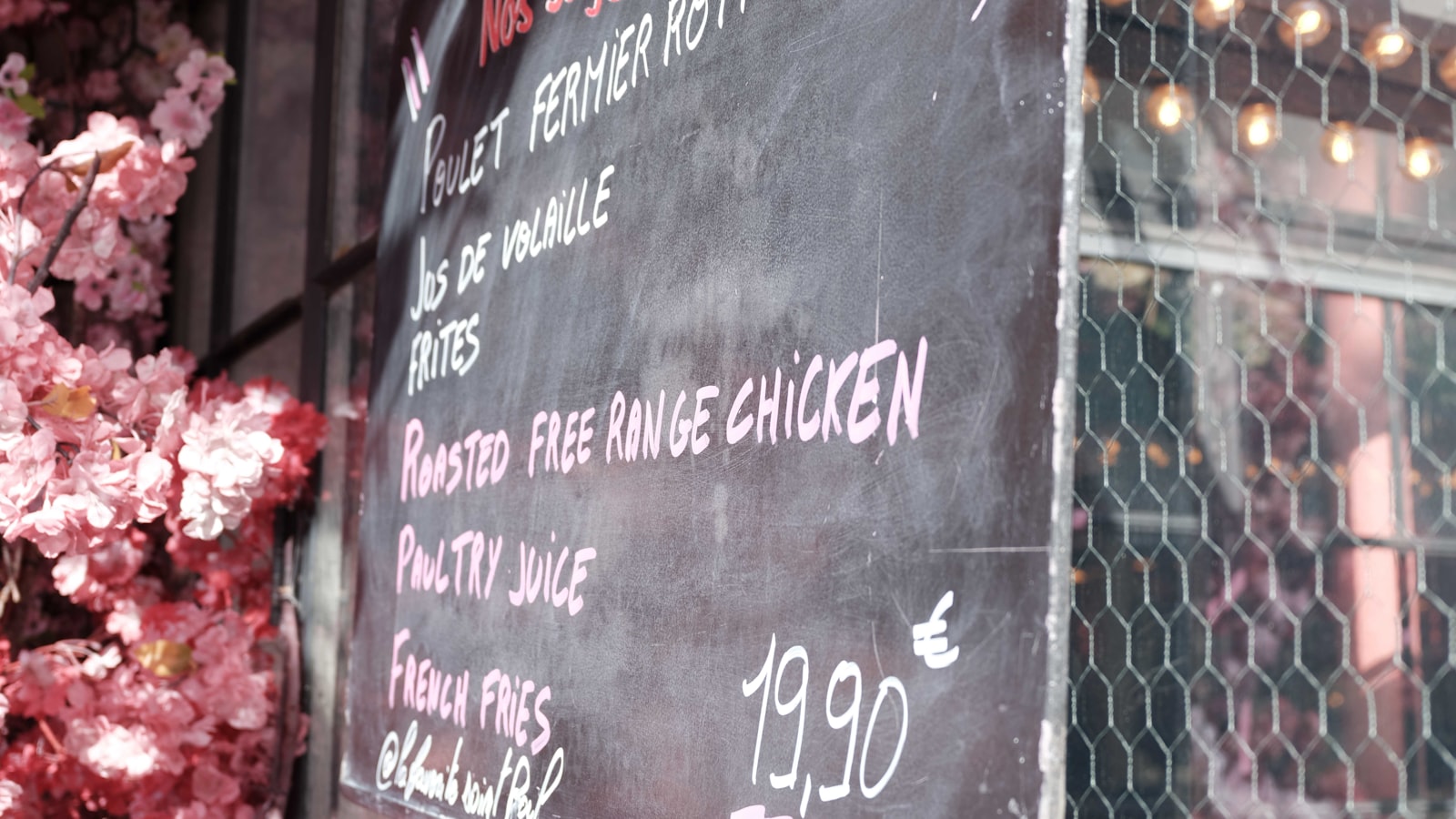
Photo by Tanya Barrow on Unsplash
Every operator reaches for a special when a night is dragging. The instinct is right — a good special can turn a dead Tuesday into a reservation list. The execution is usually where it goes wrong: a deep discount that fills seats once, trains guests to wait for the next markdown, and leaves you wondering why you're busier but not making more.
The best restaurant specials ideas share three traits: they're recurring enough to build a habit, built to protect your margin, and give guests a real reason to show up — not just a lower price. This guide lays out specials by day, by daypart, and by goal, shows which promotions are worth running, and covers how to run them without wrecking the kitchen. If you're just launching, a well-run restaurant grand opening is the first and biggest promotion you'll run.
Use it as a menu of options, not a checklist. The point isn't to run all of these — it's to pick the few that fit your room, your margins, and the nights you actually need to fill.
What Makes a Special Actually Work
Before the ideas, the filter. A special earns its place when it does at least one of these without costing you margin: fills a slow night, raises the average check, moves product you already have, or turns a first-timer into a regular. The ones that backfire do the opposite — they discount the nights you'd have filled anyway and teach guests that full price is for suckers.
Specials that work
- Recurring on a fixed day, so guests can plan around them
- Built on high-margin or surplus product
- Add value — an experience, a pairing, a bonus item
- On-brand and easy for the kitchen to execute in a rush
- Give a reason to return at full price afterward
Specials that backfire
- Deep, across-the-board price cuts
- Random one-offs with no theme or promotion
- Cannibalize nights that were already full
- Complex dishes that slow the line at peak
- Train guests to wait for the next discount
Specials Ideas by Day of the Week
The classic move: assign each slow day a recurring, branded special so it becomes a routine guests build into their week. A few proven patterns and what each is really for:
| Day | Special idea | What it's for |
|---|---|---|
| Monday | Industry night — a perk for service-industry guests | Fill the deadest night and build a loyal, regular crowd |
| Tuesday | A branded theme night (taco, pasta, burger night) | Build a weekly habit on a chronically slow night |
| Wednesday | Half-price bottles of wine under a set price | Lift average check on high-margin beverage, midweek |
| Thursday | Chef's prix-fixe or tasting menu | Raise the average check and preview the weekend |
| Fri / Sat | No discounts — feature the specials board and signatures | Protect peak margin; push the check, not a deal |
| Sunday | Family-style supper or a brunch feature | Capture a different crowd and daypart |
The discipline that makes this work: keep the habit-builders the same every week so guests can rely on them, and never run a markdown on a night that's already full.
The special gets sold right whether you’re there or not.
The whole operation in one place, built around the way your restaurant already works. Money stops leaking, your time stops disappearing into follow-up, and every shift leaves a record with a name on it.
Specials by Daypart
Slow stretches hide inside otherwise good days. Target the daypart, not just the day:
- Lunch: a fast, fixed-price express menu for the time-pressed weekday crowd — speed is the selling point.
- Happy hour: the highest-leverage daypart special there is, because beverage margins let you feel generous while staying profitable. Pair it with a few high-margin bar snacks.
- Late night: a tight, limited menu after the dinner rush captures a crowd you'd otherwise miss with almost no added labor.
- Brunch: a signature dish plus a bottomless beverage option drives both covers and check on weekend mornings.
Specials by Goal
Start from what you're trying to fix, then pick the special that fixes it:
- Fill a slow night: a recurring themed or industry night (see the table above), or one of these restaurant event ideas when you want a bigger draw.
- Raise the average check: a prix-fixe, a pairing, or a shareable format. This is the same lever at the heart of increasing restaurant sales without discounting.
- Move product before it's lost: a chef's special built around what's about to turn is a margin win twice over — it sells product and cuts waste. It connects directly to reducing restaurant food waste.
- Build regulars: a loyalty perk or a "regulars only" off-menu item that rewards repeat visits.
Promotions vs. Discounts: Protect Your Margin
This is where most specials and restaurant promotions quietly lose money. A discount subtracts from price. A promotion adds value. They can drive the same traffic, but one shrinks your margin and the other protects it.
The rule of thumb: cost a special the same way you'd cost any menu item, and price it to hold your target food cost. A "deal" that blows past your food-cost target on every plate isn't marketing — it's a slow leak. Run the numbers with our menu pricing formula and, for the per-dish math, the restaurant food cost calculator.
Whenever you can, add instead of subtract: a welcome bite, a free pairing, a bonus course, an experience. Guests feel the value, and your margin stays intact. And build every promotion with the next visit in mind — the goal of a first-time deal is a second visit at full price, not a one-night bump that empties out the moment the offer ends.
How to Run a Special Without Wrecking the Kitchen
Specials are one lever among many; our pillar guide to restaurant marketing ideas puts them in the context of everything else worth doing. A special is an operational change, not just a marketing one. The ones that fail usually fail in the kitchen, not the concept. Before you launch:
- Prep and par for it. Forecast the lift and set par levels so you don't 86 the special at 7pm — or over-prep and eat the cost.
- Write it down. Spec the dish like any other so it's consistent no matter who's on the line. Folding specials into your standard operating procedures keeps them from becoming the one dish nobody plates the same way twice.
- Brief the floor. Servers sell what they understand. A 30-second pre-shift rundown of the special — what it is, what it pairs with, why it's good — does more than any chalkboard.
- Build it into the routine. A recurring special should live on your daily operations checklist so prep, signage, and the pre-shift brief happen automatically.
Specials are one of the cheapest ways to grow covers and check at once — when they're recurring, margin-aware, and cleanly executed. For the bigger picture on where specials fit alongside your other revenue levers, see our guide on how to increase restaurant sales, and for the systems that keep it all consistent, how to run a restaurant.
If you want the prep, recipes, and standards behind every special to live in one place — so a packed Taco Tuesday runs as smoothly as a quiet one — let's talk.
Frequently Asked Questions
What are good restaurant specials ideas for slow nights?
The best slow-night specials are recurring and branded so they build a habit — an industry night on your deadest evening, a themed night like a weekly taco or pasta night, a mid-week prix-fixe, or a neighborhood night tied to a local crowd. The goal is to give people a specific reason to choose a night they'd normally skip, and to make it the same night every week so it becomes a plan rather than a one-off. Recurring beats random every time.
How do I run restaurant specials without losing money?
Build the special around high-margin or surplus product, not an across-the-board price cut. Beverage specials, prix-fixe menus, and dishes that use up product you already have protect margin while still feeling like a deal. Cost the special the same way you'd cost a menu item, set a price that holds your target food cost, and add value (an experience, a pairing, a bonus) instead of subtracting price. A special that lifts covers but loses money on every plate is just an expensive way to look busy.
What's the difference between a restaurant special and a promotion?
A special is usually a menu item or experience offered for a limited time — a Tuesday taco night, a chef's prix-fixe, a seasonal dish. A promotion is a broader marketing offer designed to drive traffic — a happy hour, a loyalty perk, an event. They overlap, and both work best when they add value and build a habit rather than simply cutting price. The danger in both is training guests to wait for the next deal, which lowers your average check over time.
How often should I change my restaurant specials?
It depends on the goal. Recurring specials meant to build a habit — industry night, taco Tuesday — should stay consistent for months so guests can plan around them. Chef's specials and seasonal dishes can rotate weekly or with the season to keep regulars curious and to use what's fresh and well-priced. The mistake is changing a habit-building special too often (nobody can rely on it) or never refreshing a chef's special (regulars stop checking). Match the cadence to whether you're building a routine or creating novelty.
Do daily specials actually bring in customers?
Yes, when they're promoted and consistent. A daily special that nobody hears about does nothing; one that's posted, mentioned by servers, and shared on social gives guests a reason to come and to choose a slower night. The strongest daily specials are tied to a clear theme and a fixed day so they become predictable. They also help the kitchen use product efficiently. The weak ones are random one-off price cuts with no story, no promotion, and no plan to bring the guest back at full price.
What restaurant specials should I avoid?
Avoid deep across-the-board discounts, one-off price cuts with no theme, and any special that mostly cannibalizes your full-price nights — a half-price Saturday just sells what you'd have sold anyway for less. Skip specials the kitchen can't execute cleanly during a rush, since a slow or inconsistent special costs you the regular, not just the cover. And be wary of deal-platform promotions that attract one-time bargain hunters who never return at full price. If a special doesn't build a habit or protect margin, it's costing you.