
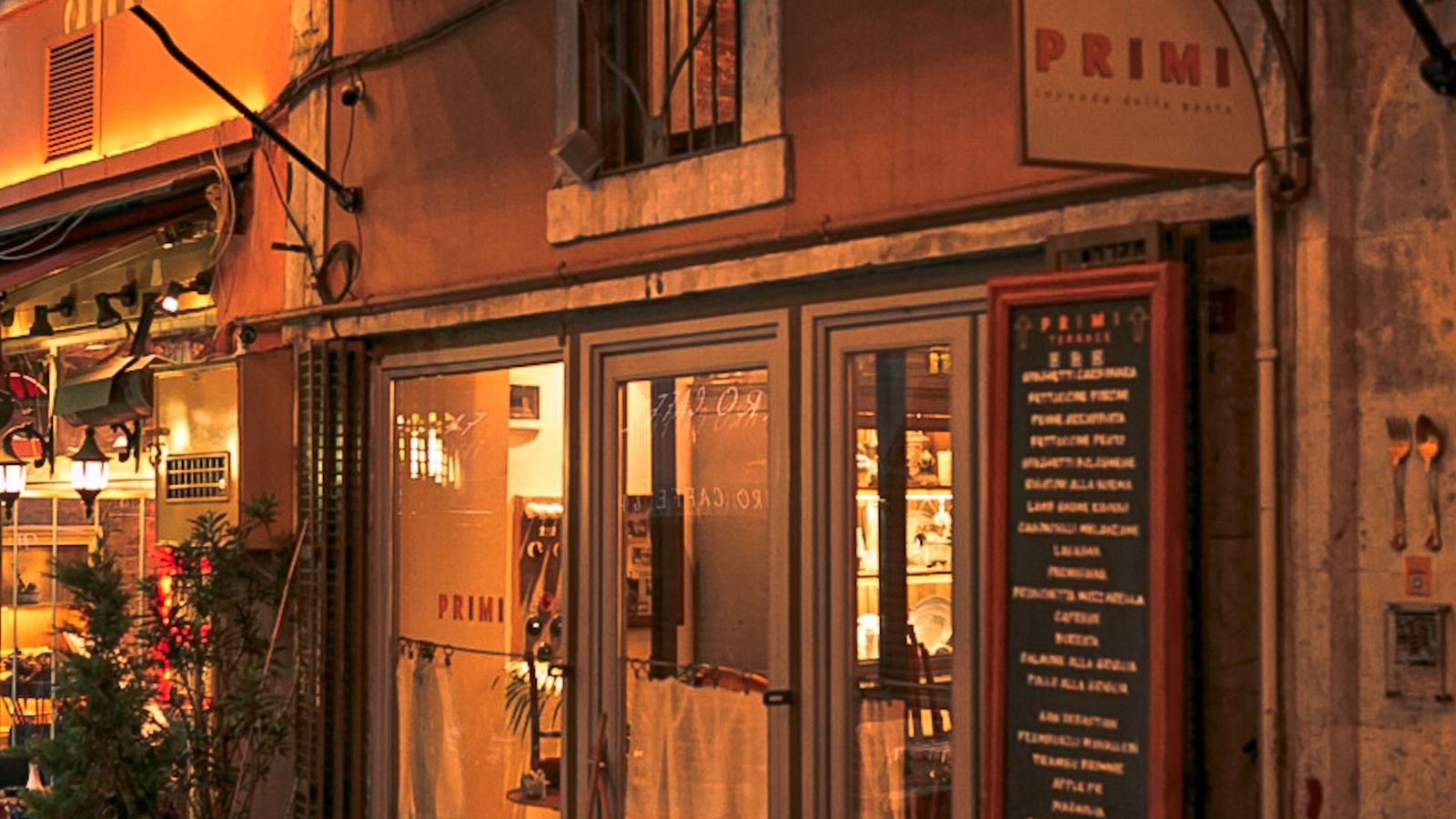
Photo by Oktay Köseoğlu on Pexels
Tuesday was dead again. So you go looking for restaurant marketing ideas and you get a list of forty things in no particular order, written by somebody who has never worked a Saturday.
Here is the short version. For an independent restaurant, the marketing that works is mostly free, mostly local, and mostly boring. Fix your listings. Answer your reviews. Get people's email addresses. Give the regulars you already have a reason to come back. The paid stuff matters a lot less than the people selling it want you to think.
Everything below is in the order I would actually do it. There is a table near the end that sorts every idea by what it costs and how long it takes, so you can pick based on what you have.
But one thing has to come first, or none of the rest works.
Marketing Cannot Fix an Inconsistent Restaurant
Marketing is a multiplier. It takes whatever your restaurant already is and shows it to more people. If a Tuesday plate is not the same as a Saturday plate, more traffic just means more people finding that out, and the reviews that follow will undo the spend faster than it brought anyone in.
That is not a pep talk, it is an order of work. In a consistent restaurant, every new guest has a real shot at becoming a regular, so everything below builds on itself. In an inconsistent one, they walk out the back as fast as marketing brings them in the front, and the owner decides marketing does not work.
If you are not sure which side of that line you are on, read your recent reviews for repeated complaints rather than one-offs. Our guides to restaurant operations and running a restaurant cover the systems side. Assuming that is holding up, here is where to spend your attention.
The Free Ideas That Compound
The best restaurant marketing ideas for an independent are almost never the expensive ones. These cost nothing but time, and they are the ones most restaurants skip because none of them feel like marketing. They also beat most paid campaigns an independent can afford, because they work on people who are already deciding where to eat tonight.
- Complete every local listing. Hours, menu, photos, the right phone number, the correct category. This is two hours of work, once, and it decides whether you appear when someone nearby searches for dinner. Nothing else on this list has that ratio.
- Reply to every review. Your replies are read by far more people than the reviews themselves, and they signal what kind of operator you are to a stranger who is comparing you against two other places.
- Ask every guest for a review. Not just the visibly delighted ones. Ratings are averages, and averages get dominated by outliers when the sample is small.
- Capture emails at the table. Everything downstream depends on being able to reach people, and the cheapest moment to get contact details is while someone is still happy and sitting down.
- Photograph your own food properly. Daylight, a clean plate, no flash. Your listing photos and your social feed both run on this, and bad photos actively cost you covers.
- Let your staff post. The people who work there make better content than any agency, because they are actually in the room when interesting things happen.
None of these will make anything happen this week. All of them are still working two years from now, which is the opposite of every paid campaign you will ever run.
They get the same experience whether you’re there or not.
The whole operation in one place, built around the way your restaurant already works. Money stops leaking, your time stops disappearing into follow-up, and every shift leaves a record with a name on it.
Own Your Neighborhood
An independent restaurant does not compete nationally. It competes with whatever else is within a fifteen-minute drive, and that is a fight you can genuinely win, because the giants are bad at it.
Local search is where the intent is
Somebody searching for food near them is not browsing, they are choosing. That makes local search the highest-intent channel a restaurant has access to, and it is largely free. Keep your listing accurate, add photos regularly, and make sure your hours are right, particularly around holidays. A guest who drives to a closed restaurant does not come back and often writes about it.
Reviews are the local search asset
Reviews do double duty: they influence the ranking and they are the thing people read before deciding. That makes review handling a marketing job, not just a service one, and it is worth doing deliberately. Our full guide to restaurant review management covers how to reply without making things worse, plus templates by review type.
The partnerships nobody bothers with
The offices, gyms, hotels, salons and theatres near you all contain people who eat lunch. A standing arrangement with one nearby business, a staff discount, a catering relationship, a flyer at their front desk, costs nothing and often outperforms a month of ads. It takes a few conversations that most owners never have because they feel awkward. That awkwardness is the entire barrier to entry, which is what makes it worth doing.
Email and Text: The Only Audience You Own
Every follower you have on a social platform is rented. The algorithm decides how many of them see you, and that number has only ever gone down. An email list and a phone list are the only audiences you actually control, and for a restaurant they are absurdly underused.
The bar here is low. One genuinely useful email a month, telling people what is new on the menu and what is happening this month, will outperform most restaurants' entire social effort in bookings. It works because it arrives without needing to be discovered.
Text is the stronger channel and the one to be careful with. Messages get read almost immediately, which is exactly why people resent misuse. Keep it rare and keep it worth reading: a last-minute table release, an event, something genuinely time-sensitive.
One practical caution on both. The rules around email and text marketing, particularly consent and how people opt out, are strict and they vary by jurisdiction. Get explicit permission, make opting out obvious and immediate, and check the current requirements that apply to you before you launch anything at scale. This is worth a conversation with your own advisor rather than a guess.
Social Media That Does Not Eat Your Week
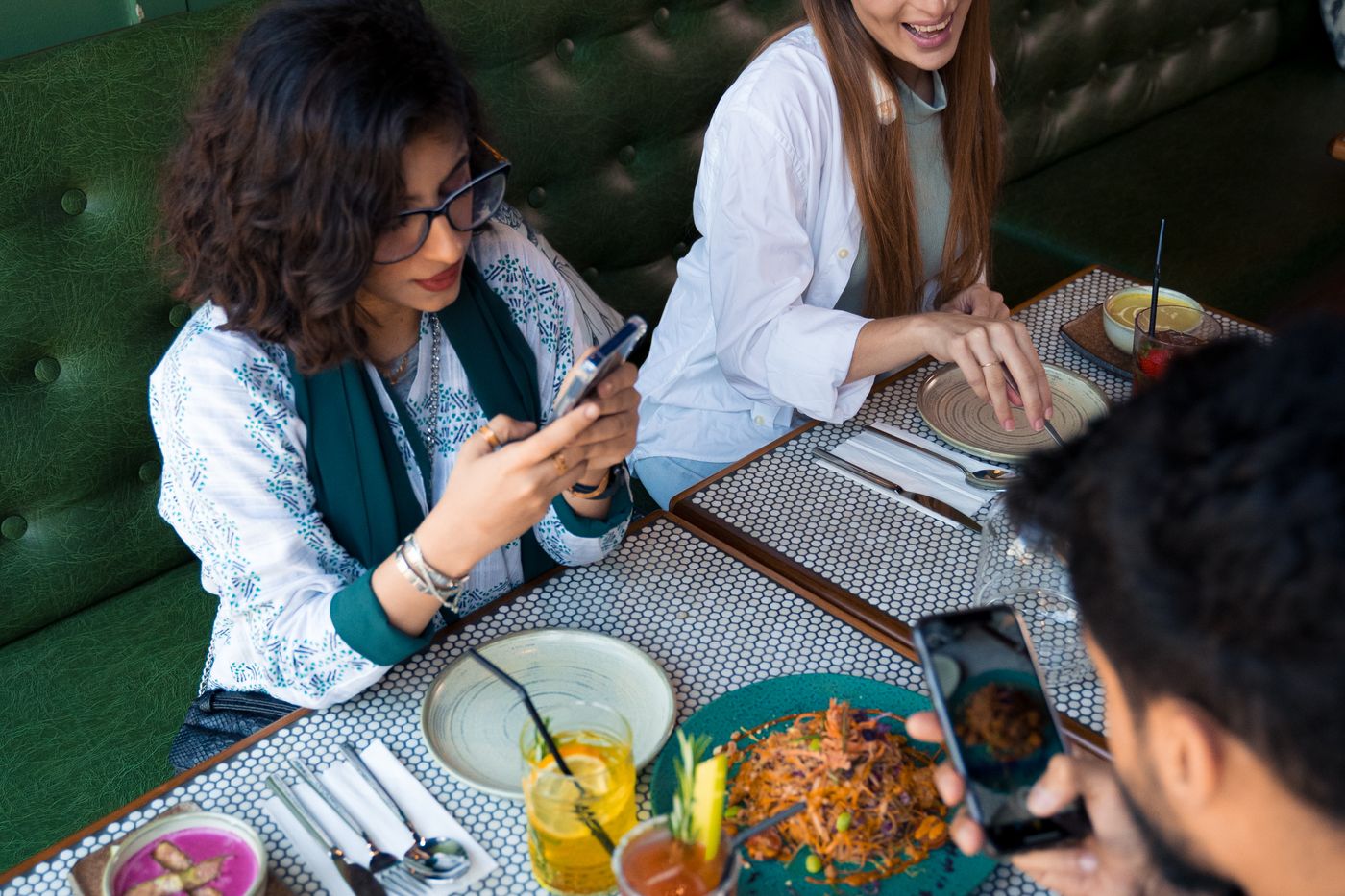
Social media is worth doing and it is not worth what most restaurants put into it. It builds familiarity, keeps you in the consideration set, and gives people something to check before they book. It rarely converts a stranger on its own, and treating it as a sales engine is why so many owners feel like they are failing at it.
The version that works for an independent is low effort and consistent rather than polished and sporadic. Real food, real people, whatever is actually happening this week. Three posts a week from a phone beats a monthly attempt at something cinematic, and it is sustainable during service, which the cinematic version never is.
Worth the time
- Real photos of what you actually served today
- The people who work there, with names
- Specials and changes, posted the day they happen
- Resharing what guests post about you
- Replying to comments and messages same day
Usually is not
- Stock photos of food you do not serve
- Motivational quotes and national food holidays
- Chasing trends that do not fit the room
- Paying for followers or broad awareness ads
- A polished monthly post nobody sees
On influencers and local creators: it is a real channel with unpredictable returns. A local creator with a genuinely engaged neighborhood audience can fill a slow night. A larger account with a diffuse following will cost you comped covers and produce almost nothing. If you try it, treat comped meals as the spend they are, agree what you are getting in advance, and judge it on covers rather than views.
Turning First-Timers Into Regulars
A new guest is the most expensive kind of guest you will ever get. You spent money or effort to bring them in once. A returning guest costs you nothing and spends more, and the restaurants with full rooms on a Tuesday almost always got there through repeat visits rather than reach.
Three things move frequency, roughly in order of how much they matter.
- Recognition. Staff who remember a face and an order create more loyalty than any structured program. That is a hiring and training outcome, and it is the reason retaining good servers matters commercially: guests follow the people who know them.
- A reason to hear from you. The email list again. A guest who liked you and then never heard from you again mostly forgets, not out of disloyalty but because there are a lot of restaurants.
- A loyalty structure, kept simple. A punch card that a host can explain in one sentence beats an app nobody downloads. The complexity of the program is inversely proportional to how many people use it.
Referrals belong here too, because your regulars are your cheapest acquisition channel. A standing offer that rewards a regular for bringing someone new costs you one discounted item against a guest you did not have to advertise to.
Filling the Nights That Are Empty
Slow nights are a covers problem, not a price problem, and that distinction saves a lot of margin. Discounting a dead Tuesday mostly moves your existing Saturday crowd to a cheaper night. Giving people a specific reason to choose Tuesday builds a new audience.
Recurring beats one-off, every time. A themed night that happens every week becomes a habit people plan around; the same idea run once is an event nobody hears about until it is over. Our guide to restaurant specials ideas goes deeper on formats that protect margin, and increasing restaurant sales covers the three levers underneath all of this.
Things that reliably work on a dead night: a recurring format that only exists that day, a guest chef or a collaboration with a nearby business, a neighborhood night with a genuine local hook, and a prix fixe that reads as value without cutting your prices across the board. Things that reliably do not: a blanket percentage off, and anything that trains your best customers to wait for a deal.
If you are running any kind of drinks promotion, note that the rules on discounting alcohol differ substantially from place to place and some areas restrict it outright. Confirm what applies where you are before you build a happy hour around it.
Every Restaurant Marketing Idea, Sorted by Budget
Work down this table. If anything in the free block is not done, do that before spending money, because paid traffic pointed at an incomplete listing or an unanswered review page converts badly.
| Idea | Cost | Effort | Best for |
|---|---|---|---|
| Complete every local listing | Free | 2 hours, once | Every restaurant, before anything else |
| Reply to every review | Free | 20 min per week | Repairing a slipping rating |
| Ask every guest for a review | Free | Ongoing, at the table | Restaurants with thin review counts |
| Capture emails at the table | Free | Ongoing | Everything downstream depends on it |
| Shoot your own food properly | Free | 1 hour per month | Listings and social both |
| Staff-led social posts | Free | 15 min per shift | Personality, sustainably |
| Neighborhood business partnerships | Free | A few conversations | Weekday lunch |
| Monthly email to your list | Free | 1 hour per month | Repeat visits |
| A recurring themed night | Low | Planning plus prep | One specific dead weeknight |
| Simple loyalty structure | Low | Setup plus tracking | Frequency, not acquisition |
| Referral offer for regulars | Low | Setup, then passive | Cheap new guests |
| Local event or market presence | Medium | A weekend of work | New neighborhoods, awareness |
| Paid local social ads | Medium | Setup plus ongoing budget | A launch or a dated event |
| Local creator collaborations | Medium | Comped covers, admin | Reach, with unpredictable returns |
| Professional food photography | Medium | One shoot | When every other channel looks weak |
| Full branding refresh | High | Weeks | Only when the brand is genuinely the problem |
How to Tell Which Ones Are Working
The most common way restaurants waste marketing money is not picking bad ideas. It is running five at once and judging all of them by whether last month felt busier, which tells you nothing about which of the five to keep.
Pick one number per idea, before you start it, and check it on a fixed date. That is the whole discipline.
| If you are running | The number to watch |
|---|---|
| A recurring themed night | Covers on that specific night, week over week |
| A review push | New reviews per month, and the rolling average rating |
| Email capture | List growth per week, and open rate once you send |
| A loyalty or referral program | Repeat visit rate, not total sign-ups |
| Paid local ads | Covers or bookings, never impressions or reach |
| Local listing improvements | Calls, direction requests, and website clicks |
Give anything that builds a habit at least two months before judging it. A themed night is not a failure in week three; it is week three. Paid ads, by contrast, tell you quickly, and if they are not producing covers within a couple of weeks they generally will not start.
Your Marketing Week
None of the above survives contact with a real operating week unless it is small, scheduled and owned by a specific person. Here is the whole thing in about ninety minutes a week.
The 90-minute marketing week
One named owner. Same slot every week, the way you would treat any other standard.
Weekly, about 60 minutes
- Reply to every new review
- Post three times, from the floor
- Reply to comments and direct messages
- Check listing hours against next week
- Note which specials actually sold
Monthly, about 30 minutes
- Send one email to your list
- Add fresh photos to your listings
- Read review themes, not individual reviews
- Check the one number per active idea
- Kill anything that has not moved in two months
The reason to write it down as a routine rather than keeping it in your head is the same reason you write down anything else in a restaurant: it survives a bad week, a busy month, and a change of manager. Marketing that lives in the owner's head stops the first time the owner has a hard Saturday. Our guide to standard operating procedures covers turning that kind of routine into something the next person can run, and the daily operations checklist is where the day-to-day version of it lives.
For broader context on what is moving in the industry, the National Restaurant Association's research library tracks consumer and operating trends across service models.
If your problem is not that people do not know about you, but that the experience is not consistent enough to make them come back, that is the problem we build for. Crewli is a fully custom operations app shaped around how your restaurant actually runs, so the standards hold when you are not standing there. Let's talk.
Frequently Asked Questions
What are the best marketing ideas for a restaurant with no budget?
Complete your local listings, reply to every review, ask every guest for a review, capture email addresses at the table, and shoot decent photos of your own food. All five are free, all five compound, and together they outperform most paid campaigns a small restaurant can afford. The reason they get skipped is that they are unglamorous and take a few months to show, not that they do not work.
How do I market my restaurant to bring in new customers?
Start with the people already looking for a place to eat near you. Local search listings and reviews reach guests at the exact moment they are deciding, which is why they beat broad awareness spending for an independent restaurant. Once those are handled, neighborhood partnerships and a recurring reason to visit will move more covers than advertising. New guests are the most expensive kind, so build the return loop before you spend to attract them.
How much should a restaurant spend on marketing?
Common guidance lands somewhere around 3 to 6 percent of revenue, but that number is close to useless before you have done the free work. A restaurant with incomplete listings, unanswered reviews and no email list should spend zero and fix those first, because paid traffic sent to a weak profile converts badly. Once the fundamentals are running, a modest budget aimed at specific slow dayparts beats a general one.
What is the most effective type of restaurant marketing?
For independents, it is consistently good service that produces reviews and regulars, followed closely by local search visibility. Neither is exciting, and both beat social media for actual covers. Social builds familiarity and is worth doing, but it rarely converts a stranger on its own. The restaurants with full rooms on a Tuesday almost always got there through repeat guests, not through reach.
How do I fill my restaurant on slow nights?
Give people a specific reason to choose a night they would not otherwise pick, and repeat it until it becomes a habit. A recurring themed night, a guest chef, a neighborhood night, or a format that only exists on that day all work better than a discount, because they build an audience instead of just moving your existing Saturday crowd to a cheaper Tuesday. Recurring beats one-off every time.
Does social media marketing work for restaurants?
It works for familiarity and for reminding people you exist, and it rarely works as a direct booking channel. Treat it as a way to stay in the consideration set rather than as a sales engine, and it stops being disappointing. The highest-return version for most independents is low effort and consistent: real photos of real food, the people who work there, and whatever is actually happening this week.
How do I get more repeat customers at my restaurant?
Be consistent enough to be worth returning to, then give people a way to hear from you. Consistency is an operations problem rather than a marketing one, which is why restaurants with shaky execution never fix retention with a loyalty program. Once the experience holds up, an email list, a simple loyalty structure and staff who recognize regulars will do more for frequency than any campaign.
How do I know if my restaurant marketing is working?
Pick one number per idea before you start it, and check it on a fixed schedule. Covers on the specific night for a themed evening, new review count per month for a review push, list growth for email capture. The common failure is running five things at once and judging them all by whether sales felt better, which tells you nothing about which of the five to keep.