
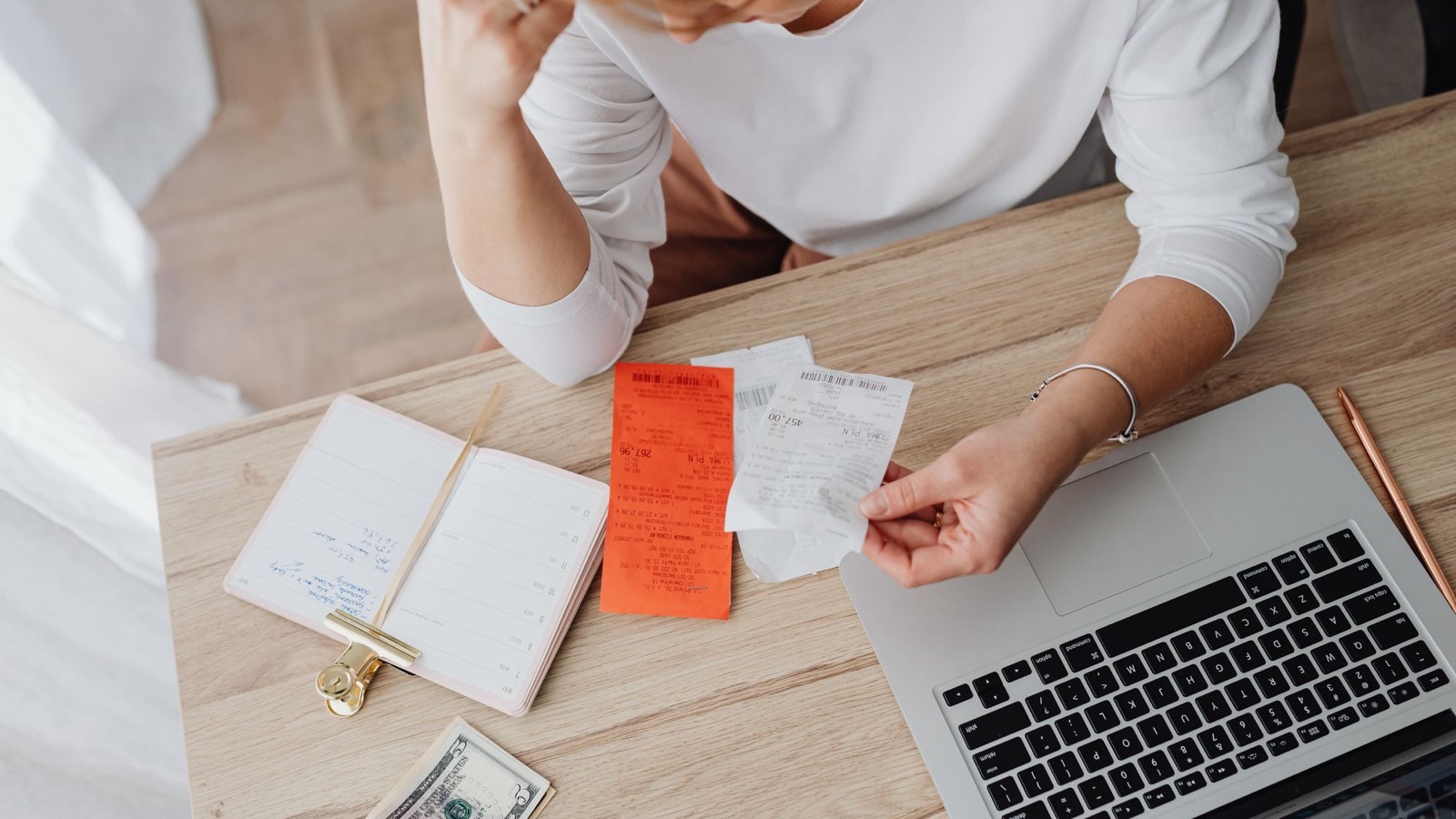
Photo by Kaboompics on Pexels
Every restaurant pays its invoices. Far fewer check them. The truck comes at 7am, somebody on prep signs the slip without counting, the paper goes in a pile on the office desk, and at the end of the month it all gets paid in full. Whether it was right or not.
Restaurant invoice management is the routine that sits between the delivery and the payment: checking what arrived against what you were billed, checking what you were billed against what you agreed to pay, chasing a credit for anything that was wrong, and only then approving it. It is not glamorous work. It is also some of the easiest money in the building, because every mistake you catch is margin you were about to hand back to a vendor.
Most of those mistakes are honest. That is exactly why nobody catches them without a system.
Where Invoice Money Actually Leaks
Invoice losses almost never look like a disaster. Nobody steals a pallet. It is a case here, a few cents a pound there, a credit somebody promised on the phone and nobody followed up on. Each one is too small to notice on its own, and together they quietly add a point or two to your food cost.
| The leak | What it looks like | Where you catch it |
|---|---|---|
| Short delivery | Billed for 6 cases of tomatoes, 5 came off the truck. | At the door, counting against the invoice. |
| Substitution | A different brand or grade shows up, billed at the original price or higher. | At the door, checking the item, not just the count. |
| Catch-weight errors | A case of chicken billed at 42 lb that weighs 38. | At the door, on a scale. |
| Price creep | The unit price moved up from last week with no warning. | At approval, comparing to the last price paid. |
| Missing credits | The rep agreed to credit a bad case. The credit never appears. | In a credit log, reviewed weekly. |
| Duplicate billing | The same delivery shows up on two invoices, or once on an invoice and again on the statement. | At the weekly review, matching invoices to statements. |
Notice the right-hand column. Half of these can only be caught at the back door, and once the driver has left and the slip is signed clean, you are negotiating instead of correcting. That is why the routine starts there.
Check It at the Door, Not in the Office
The single highest-value habit in restaurant invoice management is checking the delivery while the driver is still standing there. It takes five to ten minutes on a normal order. It is also the step most kitchens skip, because the truck always seems to come at the worst possible time.
A receiving routine that holds up looks like this:
- One trained person receives. Not whoever is closest to the door. Somebody who knows what was ordered and is allowed to say no.
- Count every line against the invoice. Cases, not "looks about right." If the invoice says 6, find 6.
- Weigh anything sold by weight. Proteins and seafood especially. Keep a scale by the receiving door so this is not a trip.
- Check the item, not just the box. Right product, right size, right grade. Open and look at anything perishable.
- Mark problems on the invoice itself. Write what is short, wrong or refused, and have the driver initial it.
- Sign last. Your signature says the delivery matched. Only give it once it does.
Do this
- Count and weigh with the driver there
- Mark shorts and refusals on the invoice
- Get the driver's initials on every change
- Put product away only after it is checked
- Same trained receiver every delivery
Not that
- Sign first, count later
- Let the driver stack it in the walk-in unchecked
- Rely on a phone call to fix it tomorrow
- Toss the slip on the office desk
- Whoever happens to be on prep
If your deliveries land during prep, the receiving check belongs on the prep list as a real task with an owner, the same way the opening line check does. Our daily operations checklist is a good place to slot it in.
Every delivery gets checked, even on the mornings you’re not there.
The whole operation in one place, built around the way your restaurant already works. Money stops leaking, your time stops disappearing into follow-up, and every shift leaves a record with a name on it.
Compare Every Price to the Last One
The door check catches what arrived. It does not catch what it cost. Price creep is the leak that hides best, because each increase is small and every individual invoice looks normal.
The fix is a running price list: your top items, the last price you paid, and the date. When an invoice comes in, compare the lines that matter. Anything that moved gets a circle and a question to the rep. Sometimes the answer is a real market move and you adjust. Often enough, it is a pricing error, an expired promo, or a quote that quietly stopped being honored.
Four small increases, one ordinary week
- Chicken thigh: $2.79 → $2.95/lb × 280 lb
- +$44.80
- Fryer oil: $38 → $42/jug × 6
- +$24.00
- Avocados: $52 → $58/case × 3
- +$18.00
- Heavy cream: $4.10 → $4.45/qt × 30
- +$10.50
- Extra cost per week
- $97.30
None of those lines would make anybody pick up the phone. Left alone for a year, they add up to about $5,060. That is on four items. Most order guides have forty.
You do not need to check every line on every invoice. Check your top 15 to 20 items by spend every time, and the rest once a month. The top of the list is where the money is.
Chase Credits Before They Disappear
A credit that is promised and never applied is the most frustrating kind of loss, because you already did the hard part. You caught the problem. Then it slipped through anyway.
Credits disappear for boring reasons. The rep forgot. The credit memo went to a different email. It showed up on next month's statement and nobody was looking for it. The fix is just as boring: a credit log.
- Every time a credit is owed, write it down. Vendor, date, invoice number, item, amount, and who you spoke to.
- Close it when it shows up. Match the credit memo or the statement line to the entry, and mark it done.
- Anything open after two weeks gets a follow-up. One email or call, with the invoice number ready.
- Do not pay a disputed invoice in full. Pay the undisputed amount, or hold it until the credit lands, according to your terms with that vendor.
One Place, One Approver, One Weekly Review
Invoices that live in three places get paid without being checked. The pile on the desk, the emails in somebody's inbox, the slip in the driver's clipboard. Pick one place, and every invoice goes there the day it arrives.
Then separate the two jobs where you can. The person who receives the delivery confirms what arrived. A different person, usually the general manager or the owner, approves what it costs. Two sets of eyes on every invoice catches more than one tired set ever will. In a small restaurant where one person does both, the weekly review is the second set of eyes.
The weekly review itself is short, maybe 30 minutes:
- Match each invoice to its marked-up delivery slip.
- Compare top-item prices against the price list, and update the list.
- Check the credit log and close anything that landed.
- Match invoices against vendor statements to catch duplicates and missing credits.
- Approve what is clean for payment. Flag what is not.
Put it on the calendar as a fixed block with a name next to it. A review that happens "when there's time" happens twice a year. If you already run a written SOP for opening and closing, this deserves one too. How long to keep the paper afterward is a question for your accountant.
Invoices Are Where Food Cost Starts
Invoice management is not just about catching mistakes. Your invoices are the only honest source of what your ingredients cost right now, and every cost number you run downstream depends on them.
Invoice price → unit cost → recipe cost → plate cost → menu price
If the unit costs in your recipe costing are from last spring, every plate cost built on them is wrong by however much your vendors have moved since. So is any menu price you set with the menu pricing formula. The weekly price check is the moment to update those costs, because you are already looking at the numbers.
It works the other way too. Every invoice error you pay for is food cost with no food behind it. Your food cost percentage goes up and nothing in the kitchen changed. And short deliveries you were billed for show up in your counts as missing product, which is why a receiving problem often gets blamed on portioning or theft first. Our guide to restaurant inventory management covers reading that gap.
The Free Receiving and Invoice Checklist
Here is the checklist we would hand a new kitchen manager on day one. Print it, tape it by the receiving door, and put the weekly half on the office wall.
Restaurant receiving and invoice checklist
Tick items off on screen, or save it as a PDF and print it. No email required.
Every delivery, at the door
Every week, at the review
Paper, Spreadsheet or Software?
Honestly, a single location with a handful of vendors can run all of this on a folder, a one-page price list and a 30-minute calendar block. The routine matters far more than the tool.
Software starts to earn its keep when the manual version breaks down: multiple locations, a long vendor list, or enough volume that comparing prices by hand eats hours every week. Tools that scan invoices and track price changes automatically can save real time at that point.
What no tool does is count the cases at the back door. If nobody checks the delivery when it arrives, software just records the mistake faster. Build the door habit first, then decide whether the paperwork side has outgrown a spreadsheet.
If the hard part for you is making the routine actually happen every delivery, with a name on it and a record afterward, that is the problem Crewli is built for. We build a custom operations app around how your restaurant already runs, so receiving checks, price reviews and the follow-ups that go with them stop living in one person's head. Let's talk.
Frequently Asked Questions
What is restaurant invoice management?
Restaurant invoice management is the routine of checking every vendor invoice against what was actually delivered and what you agreed to pay, chasing credits for anything that was wrong, and only then approving it for payment. Done well, it is also where your current unit costs come from, which makes it the starting point for accurate recipe costing and food cost. Done badly, it is a stack of paper that gets paid in full whether it was right or not.
What are the most common restaurant invoice errors?
Short deliveries, where you are billed for cases that never came off the truck. Substitutions billed at the original item's price. Price creep, where a unit price drifts up from the last invoice without anyone saying so. Credits that were promised for a bad case and never appear. Duplicate invoices for the same delivery, and catch-weight items like proteins billed at a heavier weight than you received. Most of these are honest mistakes, which is exactly why nobody catches them without a routine.
How do you check a delivery against an invoice?
Do it at the door, with the driver still there. Count every case and compare it to the invoice line by line, weigh anything sold by weight, check that each item is the one you ordered, and open and inspect anything perishable. Mark every problem directly on the invoice, have the driver initial it, and sign only after that. Once the driver leaves and the invoice is signed clean, getting a credit becomes a negotiation instead of a correction.
How often should a restaurant review vendor prices?
Every invoice, for your highest-value items. Proteins, seafood, dairy, oil and anything you buy by the case every week are worth a quick comparison against the last price you paid each time an invoice comes in. Review the rest monthly. Small increases are the real problem: a few cents a pound on an item you buy every week rarely looks worth a phone call, but it compounds into thousands a year across a full order guide.
Who should approve invoices in a restaurant?
One named person, usually the general manager, owner or kitchen manager, and ideally not the same person who received the delivery. Splitting the two jobs means every invoice gets looked at twice: once at the door for what arrived, and once at approval for what it costs. In a small restaurant where one person does both, the fix is a short weekly review where invoices are matched against delivery notes and credits before anything is paid.
Do I need invoice management software for my restaurant?
Not to start. A single location with a handful of vendors can run invoice management on a folder, a price list and a weekly calendar block. Software starts to pay off when you have multiple locations, many vendors, or enough purchasing volume that comparing unit prices by hand takes hours. No tool replaces the check at the door, though. If nobody counts the cases when they arrive, software just records the mistake faster.
How does invoice management affect food cost?
Directly, in two ways. Every invoice error you pay for is food cost with no food behind it, so it raises your food cost percentage without anything changing in the kitchen. And invoices are where your real unit costs come from: if your recipe costs and menu prices are built on last year's prices, they are wrong by however much your vendors have moved. Checking invoices keeps both numbers honest.