
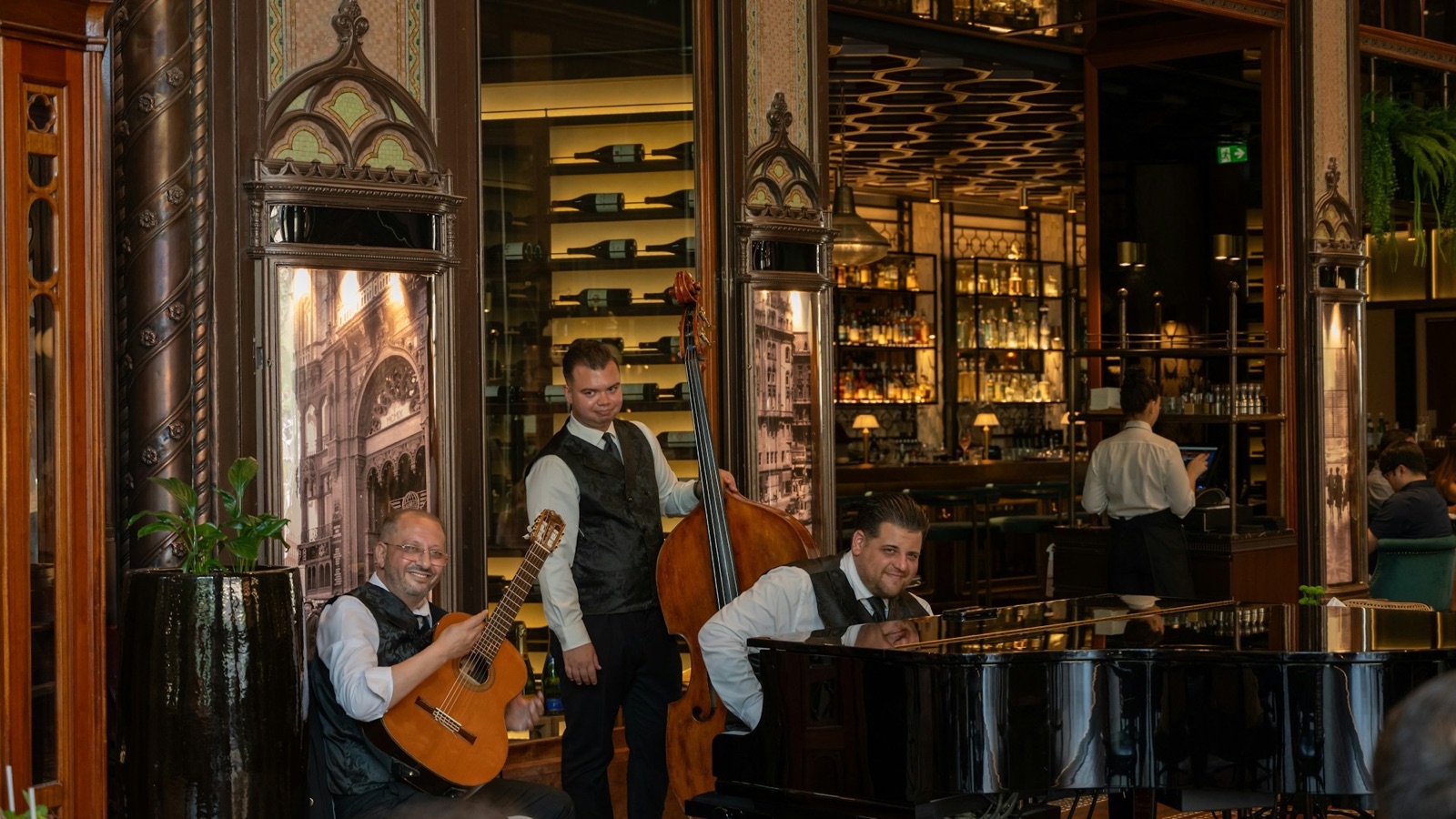
Photo by Carrie Borden on Unsplash
Every restaurant has a night it dreads. The room is a third full, the servers are rolling silverware to stay busy, and the labor you scheduled is costing more than the sales are bringing in. An event is the obvious fix, and it can be a great one. It can also be a lot of work that fills the room once and leaves you right back where you started the next week.
The restaurant event ideas that actually work have three things in common. They run on a night you were not going to fill anyway, they are simple enough for your team to pull off during a normal service, and they repeat often enough that people start planning around them. This guide covers low-lift recurring events, food-led events, community nights, and bar event ideas, plus the math to check before you book anything and a printable run sheet for event night.
You do not need to run all of these. Pick one or two that fit your room, your crew, and the night you most need to fill, and do them well.
What Makes an Event Worth Running
Before the ideas, a filter. An event earns a spot on your calendar when it adds covers on a slow night, gives a first-timer a reason to walk in, or turns a regular into a twice-a-week regular. If it does none of those, it is a party you are paying for.
Events that work
- Run on your slowest night, on a fixed schedule
- Use your normal menu or a short version of it
- Bring a new crowd or bring regulars back more often
- Can be staffed by your normal crew plus one person
- Feel like your restaurant, not a rented gimmick
Events that backfire
- Land on a night that was already busy
- Need a special menu the line has never cooked
- Run once, with no plan to repeat
- Pull your best people off the floor to manage the event
- Get promoted three days out to nobody
That last point matters more than most operators expect. Events are the same lever as restaurant specials: they work through repetition. The first trivia night is small. The sixth one has a waitlist.
Low-Lift Event Ideas You Can Start This Month
These are the events to start with. They need little or no menu change, they fit inside a normal service, and they get better every week you run them.
| Event | Effort | Best for | What it takes |
|---|---|---|---|
| Trivia night | Low | Filling a dead weeknight with groups | A host (hired or a staff member), a mic, a small prize |
| Industry night | Low | Building a loyal late crowd | A perk for service-industry guests, late kitchen hours |
| Live acoustic set | Low to medium | Lifting the mood and the dwell time | A solo or duo act, a corner of the room, a set time |
| Game or watch night | Low | Drawing a local fan base | Screens or a projector, a short shareable menu |
| Vinyl or DJ night | Low | Turning a slow bar into a destination | A local DJ or a regular with a record collection |
| Kids eat free night | Low | Bringing in families early in the week | A kids' menu and a clear one-kid-per-adult rule |
Trivia is the one we would start with almost anywhere. It brings in groups, it keeps them seated for two hours, and the second round of drinks orders itself. The key is the same night, the same time, every single week. People who come once will tell their friends it is "on Tuesdays," and that is when it starts working.
Food-Led Events Your Kitchen Can Own
These take more planning but carry a higher check, and they show off what your kitchen can actually do. They work best monthly or seasonally, ticketed, with a fixed headcount.
- Chef's table or tasting dinner. Six to ten seats, a set menu, the chef talking through each course. Small, high-check, and great for building a following.
- Pairing dinner. Four or five courses paired with wine, beer, or spirits, ideally with the producer in the room. The producer usually helps promote it, which doubles your reach.
- Collaboration dinner. Invite a chef from another restaurant, a food truck, or a local baker for one night. Both of you promote it to your own lists, so each restaurant meets the other's regulars.
- Seasonal feast. A crawfish boil, a whole-hog roast, a harvest dinner. Built around a product at its best and a format people remember.
- Cooking class. A Sunday afternoon when the room is empty anyway. Guests learn one or two dishes, eat them, and leave with the recipe and a reason to come back.
Build these menus from product you already stock wherever you can, and cost every plate the same way you would cost a menu item. Our menu pricing formula works for setting a ticket price that holds your margin.
Event night runs off the same checklist as every other night.
The whole operation in one place, built around the way your restaurant already works. Money stops leaking, your time stops disappearing into follow-up, and every shift leaves a record with a name on it.
Community Events That Bring in New Faces
Community events are the cheapest way to get in front of people who have never walked in. You are borrowing someone else's audience for a night.
- Give-back night. Donate a share of the night's sales to a local school, team, or shelter. The organization fills your room with its own people, and plenty of them come back.
- Local makers market. Clear the patio on a Sunday and invite a few local vendors. Their customers become your customers for a day.
- Run club or ride club. Be the start and finish point for a weekly group run. They show up hungry, every week, on schedule.
- Neighborhood night. A perk for people who live or work within a few blocks. It is a small gesture that makes you the local spot.
These fit naturally into a broader plan for restaurant marketing ideas, especially the work of owning your neighborhood before you spend a dollar on ads.
Bar Event Ideas That Protect Your Margin
If you have a bar, it is your best event engine. Beverage carries better margin than food, so the bar can feel generous and still make money. Strong bar event ideas:
- Guest bartender night. A local personality or a bartender from another spot takes over for a night and brings their following.
- Tap takeover. A local brewery takes over a few handles and brings their team and their regulars.
- Cocktail class. An early-evening session that teaches two or three drinks. Ticketed, small, and easy to sell out.
- Karaoke. Loud, cheap to run, and very good at keeping groups ordering late.
- Bartender's choice night. A short list of off-menu drinks the bar team gets to create. It gives regulars something new and gives your bartenders some ownership.
The one rule: keep the featured list short. Four drinks the bar can build fast beats twelve that back up the ticket rail the moment the room fills. And check with your city and your licensing authority on what any event needs, from live music to extended hours, before you put a date on the calendar.
Run the Numbers Before You Book Anything
An event that fills the room can still lose money. Before you commit, compare what the night does now with what the event should do, then subtract what the event costs. Here is a simple worked example for a Tuesday trivia night, using round numbers you should swap for your own.
| Line | Normal Tuesday | Trivia Tuesday |
|---|---|---|
| Covers | 40 | 75 |
| Average check | $32 | $28 |
| Sales | $1,280 | $2,100 |
| Added sales from the event | +$820 | |
| Food and beverage cost on the added sales (about 30%) | −$246 | |
| Trivia host | −$150 | |
| One extra server shift | −$120 | |
| What the event adds to the night | +$304 |
Three hundred dollars on a single Tuesday is not a fortune, but it is a night that used to lose money now making some, and that adds up to more than $15,000 a year. Notice the average check went down. That is normal for trivia, because groups share plates and lean on drinks. Covers matter more than check on a slow night, and our guide to increasing restaurant sales breaks down when each lever is the right one.
Watch the labor side closely. An event that needs two extra cooks and a dedicated manager can wipe out the gain, which is why sales per labor hour is the number to check the morning after.
How to Pull It Off Without Wrecking Service
Most events fail in the building, not in the concept. The idea was fine. The kitchen got buried, the bar ran out of the featured drink at 8pm, or the regulars at the two-top by the speaker had a terrible night. Before every event:
- Prep to a real number. Forecast the headcount, set pars for it, and brief your kitchen manager early so ordering and prep happen on time instead of the day of.
- Shrink the menu. A short event menu keeps tickets moving. If the line has not cooked it before, it does not go on the event menu.
- Plan the room. Decide where the performer or host goes, which tables move, and where regulars who just want dinner will sit. A sketch of your restaurant floor plan with the event layout saves a lot of moving furniture at 5pm.
- Brief the floor. A five-minute pre-shift on what is happening, when, and what to push. Servers sell what they understand.
- Debrief the next day. Covers, check average, what ran out, what went wrong. Write it in the shift report so the next event starts from what you learned instead of from scratch.
The Free Event Night Run Sheet
A starting template for planning and running a restaurant event. Every restaurant and city is different, so add your own items, and confirm any permits, licenses, or rules your event needs with your local authorities.
Three weeks out
Two weeks out
Event week
Event night
Next day
The best event is the one you can run again next week without anyone dreading it. Start small, repeat it, and let the room grow into it. For the opening-night version of all this, see our restaurant grand opening checklist.
If you want event prep, pars, and the pre-shift brief to live in the same system your team already uses every shift, so a packed trivia night runs as cleanly as a quiet Monday, let's talk.
Frequently Asked Questions
What events can a restaurant host to bring in customers?
The events that reliably bring people in are trivia nights, industry nights, live acoustic music, chef's table or pairing dinners, collaboration dinners with another chef or a local brewery, and community nights like a fundraiser for a local school. The best one for you depends on your room and your slowest night. Start with a low-lift recurring event on the night you most need to fill, run it the same night every week, and only add bigger ticketed dinners once the recurring one is working.
What are good bar event ideas?
Strong bar event ideas include trivia, a guest bartender night, a tap takeover with a local brewery, a cocktail class, karaoke, a watch party for a local team, and a bartender's choice night with a short featured menu. They work because beverage carries better margin than food, so the bar can feel generous and still make money. Keep the featured drink list short so the bar can keep pace when the room fills, and run the event on a recurring night so regulars can plan around it.
Do restaurant events actually make money?
They can, but only if you check the math before you book anything. Compare what the night normally does with what the event should do, then subtract the host or performer, the extra labor, and the food and beverage cost on the new sales. A trivia night that adds 30 covers on a dead Tuesday usually pays for itself. A ticketed dinner that needs three extra cooks and a week of prep might not. The event that wins is the one that adds covers on a night you were not going to fill anyway.
How often should a restaurant host events?
Recurring events should run weekly or every other week on the same night, because consistency is what turns an event into a habit. Bigger ticketed events like pairing dinners or collaboration dinners work better monthly or seasonally, so each one feels special and the kitchen has time to plan it properly. A good rhythm for most restaurants is one recurring weekly event on the slowest night plus one bigger event a month or a quarter.
How do I promote a restaurant event?
Start with the people who already like you: your email and text list, your regulars, and your servers, who can mention it at every table the week before. Post it on social with the date in the first line, put a table tent or a line on the check presenter, and partner with whoever you are collaborating with so they promote it to their audience too. Promote two to three weeks out for ticketed events and keep recurring events visible every week so they become part of the neighborhood routine.
Should a restaurant charge tickets for events?
Charge tickets when the kitchen is committing real product and labor up front, like a pairing dinner, a chef's table, or a cooking class. Prepaid tickets lock in the headcount so you can prep to a real number and avoid empty seats after you have bought for a full room. Keep recurring events like trivia, live music, and industry night free to attend, because their job is to fill the room and build a habit, and a ticket gets in the way of that.