
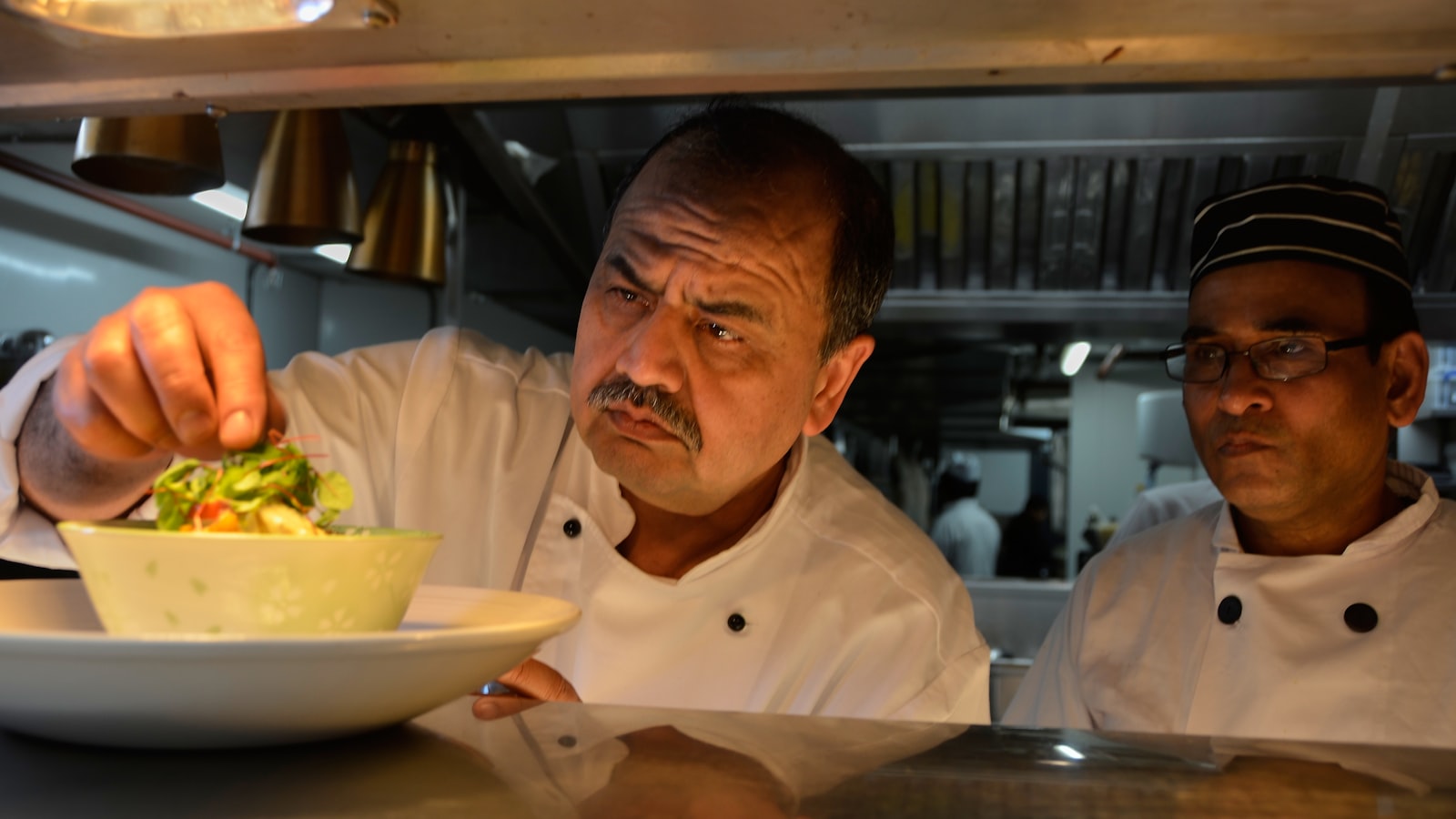
Photo by Jon Handley on Unsplash
When a good cook gives notice, the exit conversation almost always lands on money. It's the easiest thing to say and the hardest thing to argue with. But if you sit with it long enough, the money was usually the reason they started looking, not the reason they left. The reason they left is that nothing about the job made staying worth defending.
That's the uncomfortable part of restaurant leadership. The behaviors that keep people are unglamorous, mostly free, and almost entirely within your control. They also compound in both directions: a manager who is consistent for six months builds a crew that covers for each other, and a manager who is unpredictable for six months builds one that updates its résumé.
Here's what leadership actually looks like in the weeds, the specific habits that move retention, and how to do the job without grinding yourself into the floor.
What Restaurant Leadership Actually Means
Management and leadership get used interchangeably, and the difference matters more in this industry than most. Management is the systems half: the schedule is covered, the order is in, the numbers get reported, the walk-in gets organized. Leadership is the people half: the crew knows what's expected, believes it applies to everyone, and wants to be there next month.
Most restaurants are full of people who are strong at the first half and were never taught the second. That's not a character flaw. It's a promotion problem. We promote the best cook or the sharpest server, hand them a title, and assume the leadership part will show up on its own. It doesn't, and the cost shows up six months later in the turnover column.
The other thing worth naming: in a restaurant, leadership is physical. Your team watches what you do far more than they listen to what you say. If the standard is that the station gets broken down properly and you walk past a sloppy one at 11pm because you're tired, you just changed the standard. That's the whole mechanism.
Leadership that holds a team
- Same person on a slow Tuesday and a broken Saturday
- Corrects in the moment, privately, and specifically
- Takes the hit publicly, sorts out fault later
- Holds the standard for the people they like, too
- Explains the why behind a change before rolling it out
- Gives real decision authority and backs the decision
Leadership that leaks people
- Mood sets the tone of the shift
- Saves up feedback for a review nobody saw coming
- Names the server in front of the guest
- Lets favorites slide and everyone notices
- Announces changes with no context or warning
- Delegates the task but keeps the authority
Why Turnover Is a Leadership Problem First
Restaurant churn runs high across the board, and the Bureau of Labor Statistics job openings and turnover data puts accommodation and food service near the top year after year. It's easy to look at an industry-wide number and conclude the problem is structural, so there's nothing to be done about it locally.
That conclusion is wrong, and expensive. Two restaurants on the same block, paying within a dollar of each other, routinely have wildly different retention. The variable isn't the market. It's who's running the shift.
The pattern in almost every restaurant resignation is the same: someone starts with real energy, hits a stretch where expectations are unclear or applied unevenly, gets no feedback until something goes wrong, and slowly concludes that effort here isn't noticed. By the time they're job hunting, the decision was made weeks ago. The money offer is just what made it actionable. We went deeper on the mechanics in why restaurant staff turnover is so high.
"Nobody walks away from a job they're good at, on a crew that respects them, under a manager they trust. If someone is leaving, one of those three broke."
Your standard leads the shift when you can’t.
The whole operation in one place, built around the way your restaurant already works. Money stops leaking, your time stops disappearing into follow-up, and every shift leaves a record with a name on it.
The 7 Habits That Keep Good People
These are behavioral, not structural. None of them require a budget, a new title, or permission from an owner.
1. Be predictable. The single most underrated leadership trait in a restaurant. A crew that can forecast your reaction spends its energy on the work. A crew that has to read your mood at the door spends it managing you. Predictable and demanding beats warm and erratic every time.
2. Give feedback within the shift. Correction that arrives three weeks later isn't feedback, it's an ambush. Say it while the plate is still on the pass, keep it about the specific thing, and then move on. The same goes for praise, which most managers ration for no reason at all.
3. Hold the standard evenly. Nothing burns credibility faster than a rule that applies to the newer cook but not the one you came up with. Your crew tracks this with total accuracy. If the standard is real, it's real for everyone, and if it isn't, stop pretending it's a standard.
4. Absorb the pressure. When a table goes wrong, the guest hears it from you and the staff hears about it after. A manager who redirects blame downward in public loses the room permanently, and it only takes once.
5. Make expectations findable. A huge amount of what reads as attitude is actually confusion. If the answer to "how do we do this" lives only in your head, every new hire starts at a disadvantage and every mistake feels like a personal failing. Written standard operating procedures are a leadership tool, not a bureaucratic one.
6. Set people up to be good at the job. Competence is retention. People stay where they feel skilled and leave where they feel exposed. That means real staff training and a first week that orients rather than overwhelms, which is what a structured onboarding process is for.
7. Show a path. Most restaurant staff have never been told what the next step looks like or what it would take. A five-minute conversation naming the next role and the two skills between here and there costs nothing and changes how someone thinks about the year ahead.
How to Lead Without Burning Out
The reason leadership habits slip is rarely that a manager doesn't care. It's that they're the system. Every question, every decision, every gap routes through one person, and consistency is the first thing to go when that person is running on four hours of sleep and a shift meal they ate standing up.
Getting out of that hole is a structural fix, not a willpower one:
- Write down what only you know. The par levels, the vendor quirks, the reason you order that item on Thursdays. Anything that lives only in your head is a shift you can't take off. Our piece on what happens when a key employee leaves is really about this same risk pointed at someone else.
- Give shift leads a decision boundary. Not "check with me," but a clear line: comps under this amount, this category of guest issue, these calls are yours. Then back them, including when they get one wrong. Authority without backing is just a trap.
- Put recurring work on a checklist. Anything you rely on memory for is a thing you'll drop in a bad week. A daily operations checklist takes the routine off your attention entirely.
- Make the handoff written. Verbal updates in a doorway don't survive the walk to the office. A consistent shift report means the next manager starts informed and you stop being the only continuity in the building.
- Take a real day off and let it run. Uncomfortable, and the only honest test of whether you've built anything. If the place can't hold a Saturday without you, you've built a job, not an operation.
Building Leadership Below You
You can't hold a standard across every shift personally, so the durable version of this is developing people who hold it when you're not there. That starts earlier than most operators think, and it starts without a title.
Give a strong cook ownership of a station's prep standard. Let a senior server run pre-shift once a week. Hand over decisions small enough that a bad call is survivable, then debrief it honestly afterward. Leadership grows out of repeated low-stakes reps at making a judgment call, which is exactly what a promotion announcement fails to provide. When you're ready to formalize it, training restaurant managers lays out a phased approach, and the manager skills guide covers the specific gaps most new leaders need to close.
Pair the ownership with a written standard so the new leader is enforcing the restaurant's expectation instead of improvising their own. That's the difference between developing a manager and creating a second, competing set of rules.
How to Tell If Your Leadership Is Working
Retention is the lagging indicator, and it's slow. These show up sooner:
- Bad news reaches you early. When someone tells you at 4pm that the walk-in is warm instead of at 8pm when the product is gone, you've built enough trust that people aren't hiding problems.
- Your crew refers their friends. The most honest culture survey there is. Nobody sends a friend into a job they resent.
- Decisions get made without you. A shift lead handles a comp, tells you afterward, and was right. That's the whole goal.
- People cover for each other unprompted. The clearest sign a group has turned into a team. It's also what genuine restaurant team building is actually for.
- Nobody's surprised in a review. If a performance conversation contains news, feedback isn't happening in the moment.
Leadership is the highest-leverage thing on your plate and the easiest to postpone, because nothing on the schedule ever says "develop the team." For the wider operational picture around it, see how to run a restaurant, and for the full scope of the role, restaurant manager responsibilities. Broader industry context is worth checking against the National Restaurant Association's industry research.
If your managers are spending the shift answering questions instead of leading it, Crewli builds a custom operations app that puts the standard where the team can find it. Let's talk.
Frequently Asked Questions
What is restaurant leadership?
Restaurant leadership is the set of behaviors that make a crew willing to hold a standard when nobody is watching. Management is about systems: schedules, ordering, cost, and the calendar. Leadership is about people: setting the standard by working to it, giving feedback close to the moment, absorbing pressure instead of passing it down, and being predictable enough that the team knows what they are walking into. A restaurant needs both, but leadership is what determines whether your good people stay.
What makes a good restaurant leader?
Consistency more than charisma. The best restaurant leaders are the same person on a slow Tuesday and a broken Saturday, they hold everyone to the same standard regardless of who they like, they give feedback in the moment instead of saving it up, and they take the hit publicly while correcting privately. They also know the work. Credibility in a kitchen comes from being able to do the job you are asking someone else to do, not from a title on a schedule.
How does leadership affect restaurant turnover?
It is the largest lever most operators have. Pay and schedule matter, but people leave situations far more often than they leave jobs, and the manager defines the situation. Unclear expectations, feedback that only arrives when something goes wrong, favoritism in scheduling, and a leader who blames the floor in front of guests all drive resignations that get logged as pay problems. Fixing the leadership behaviors is usually cheaper and faster than winning a wage war you cannot afford.
What's the difference between a restaurant manager and a restaurant leader?
A manager makes sure the shift runs: the schedule is covered, the orders are in, the numbers get reported. A leader makes sure the people running it want to be there next month. The same person usually has to do both, and the failure mode is a manager who nails the administrative half and never develops the human half. You end up with a technically well-run restaurant that quietly bleeds its best staff and can never explain why.
How do you lead a restaurant team without burning out?
Stop being the system. Most restaurant burnout comes from being the only place the right answer lives, which means every question, every decision, and every gap routes through you. Write the standards down, train genuine backups for the tasks only you can do, hand real decision authority to shift leads with a clear boundary on what they can settle alone, and put recurring work on a checklist instead of your memory. Take an actual day off and let the place run. That is the test.
How do you develop leadership in your restaurant team?
Give people real ownership before you give them a title. Hand a strong cook the responsibility for a station's prep standard, let a senior server run pre-shift, and let both make small decisions and live with the outcome. Then debrief. Leadership grows from repeated, low-stakes reps at making a call, not from a promotion announcement. Pair that with a written standard so the new leader is enforcing the restaurant's expectation rather than inventing their own.