

The dream is simple. You want a manager who runs the restaurant to your standard whether you are in the building or on a beach. The reality is that most owners promote a strong server or line cook, hand them a set of keys, and hope the rest works itself out. It rarely does.
Good managers are built, not found. This guide covers training restaurant managers the right way: what to actually teach, a phased framework that builds real competence, and how to keep developing managers so they stick around and keep getting better.
This piece is part of our broader guide on how to run a restaurant. Training a capable manager is the single thing that lets an owner step back without the operation falling apart.
Why Most Manager Training Fails
The typical approach to making a manager is not training at all. It is a battlefield promotion. Someone is good on the floor, a slot opens, they get the title, and "training" means a few weeks of figuring it out while already responsible for the results.
That fails for predictable reasons. The new manager was never taught the parts of the job they had no exposure to as a server or cook, usually the financial side and the leadership side. There is no documented standard for them to learn, so they invent their own. And nobody is actually developing them, so they either sink or settle into mediocre habits that are hard to undo later.
Training that works is deliberate. It defines what the manager needs to know, sequences how they learn it, and gives them real responsibility with support before they are fully on their own.
What to Actually Train
Effective manager training covers four areas. Most informal training only touches the first one.
Operations. Service and kitchen flow, opening and closing standards, line checks, and food safety. Floor-promoted managers usually have strong instincts here already, so this is about formalizing what they know and filling gaps. The daily operations checklist is a useful backbone for this.
The numbers. Reading a P&L, understanding prime cost, and managing food and labor day to day. This is the most commonly skipped area and the one that most determines whether a manager protects the margin. Our food cost calculator and labor cost guide are good teaching tools.
Leadership. Coaching, holding accountability, running a pre-shift, and handling conflict. This is the hardest to teach and the most important, because a manager accomplishes everything through the team. The specific competencies here are broken down in our guide to restaurant manager skills, and the day-to-day behaviors that decide whether a team stays are in our guide to restaurant leadership.
Systems. How to use and maintain the standards and tools that hold the operation together, so the manager builds on the system instead of working around it. A manager who keeps everything in their head recreates the exact bottleneck you are trying to eliminate. Train new managers on the actual tool they will run the floor with, a restaurant management app that keeps those standards in one place, and the habit sticks from day one.

They run the place the way you would, on the nights you’re not there.
The whole operation in one place, built around the way your restaurant already works. Money stops leaking, your time stops disappearing into follow-up, and every shift leaves a record with a name on it.
A Phased Framework for Training a Manager
Competence builds in stages. Rushing a manager to full responsibility before they are ready sets both of you up to fail. A simple three-phase progression works well.
Phase 1. Shadow and Learn the Standard
The new manager works alongside a strong operator and learns how the restaurant is supposed to run. They are absorbing standards, not yet accountable for them. This is also when they study the parts of the job they have not seen, especially the numbers. The goal of this phase is understanding, not performance.
Phase 2. Own Pieces With Backup
Now they take real responsibility, but not all of it at once. Have them run a shift with a senior person available. Let them build a schedule and have it reviewed. Give them a cost target to manage for a week. They make real decisions and get real feedback while there is still a safety net.
Phase 3. Run Solo With Review
The manager runs shifts on their own, and you review the results together regularly. Not hovering, but not absent either. You are looking at outcomes: did the shift run to standard, did the numbers hold, how did the team respond. This is where confidence and judgment solidify.
How fast someone moves through these phases depends on where they started. Someone promoted from within moves quicker than an outside hire. The phases matter more than the timeline.
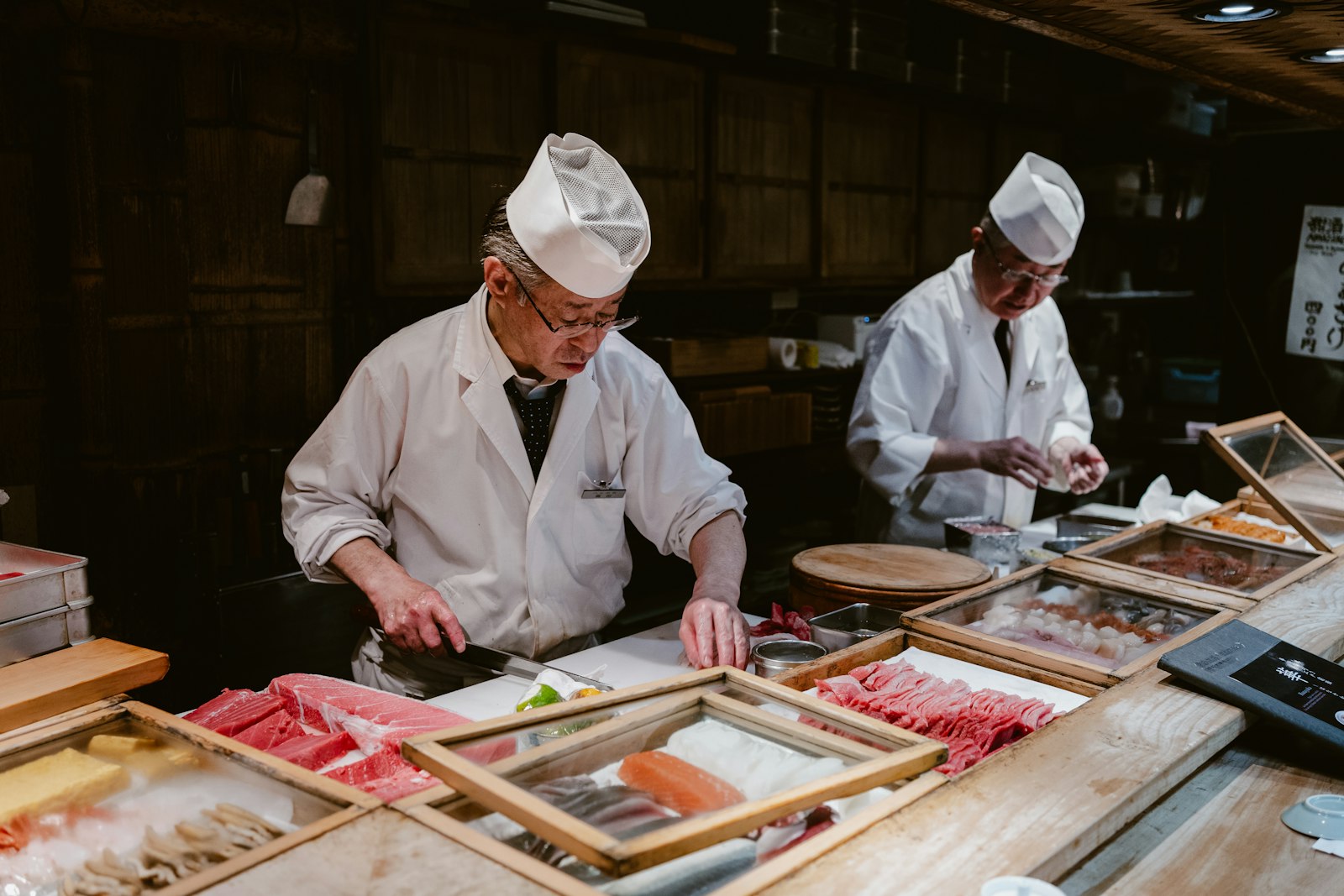
Training a Manager vs Just Promoting One
Promoting from within is usually the right move. Your best people already know the operation and the team, and promotion is a powerful retention signal. But a promotion is the start of training, not a substitute for it.
The hardest part of the transition is rarely operational. It is the shift from being one of the crew to leading them. A newly promoted manager has to manage former peers, hold people accountable they used to cover for, and start thinking in outcomes instead of tasks. Be explicit that the job has fundamentally changed, and train the new parts deliberately. Treat it with the same structure you would give any new hire, which is the same principle behind a strong onboarding process for any role.
It also starts before the promotion, with hiring people who have the raw material to lead in the first place. Our guide to restaurant interview questions helps you spot it early.
Development Doesn't End
The biggest mistake after the initial ramp is assuming the manager is now finished. They are not. The strongest restaurants treat manager development as continuous.
- Regular one-on-ones. A standing conversation about what is working, what is not, and where they want to grow.
- Stretch responsibility. Hand over a new area as they are ready, so they keep growing instead of plateauing.
- Real feedback, both directions. Tell them how they are doing, and ask how you can support them better. Managers leave when they feel stuck, which ties directly to turnover at the level you can least afford to lose.
- A path forward. A shift lead who can become an assistant manager, who can become a GM, has a reason to stay and keep improving. The full scope of where that path leads is in our guide to restaurant general manager duties.
Certifications and Outside Training
Formal courses and certifications can supplement hands-on development, especially for managers who never had any business training. Food safety certification is a common expectation at the manager level, so check with your local health department on what they want from your managers and get it handled early.
That said, a certificate does not make a manager. The day-to-day coaching, the real responsibility, and the documented standard do far more than any course. Treat outside training as a useful add-on to a strong internal program, not a replacement for one. A manager who passed a course but has no system to run and no one developing them is still going to struggle.
If you want your managers learning the operation from a real, documented system instead of absorbing it one shift at a time, that is what we build. Crewli creates and manages a custom operations platform that holds your standards, training, and recipes in one place, so training a manager means pointing them to the source instead of hoping it transfers. Let's talk.
Frequently Asked Questions
How do you train a restaurant manager?
Train a restaurant manager in phases rather than throwing them into the role. Start by having them shadow a strong operator and learn the standards. Then let them own pieces of the operation with backup, like running a shift or building a schedule. Finally, move them to running shifts solo with regular review. Cover operations, the numbers, and leadership deliberately, and document the standards so the training is consistent rather than improvised.
How long does it take to train a restaurant manager?
Getting a manager competent enough to run shifts solo usually takes a few months of structured training, not a couple of weeks. Someone promoted from within who already knows the operation moves faster than an outside hire. But real development, especially the financial and leadership sides, continues well past the initial ramp. Treat the first 90 days as the foundation, not the finish line.
What should restaurant manager training include?
Effective training covers four areas: operations (service flow, opening and closing standards, food safety), the numbers (reading a P&L, managing food and labor cost), leadership (coaching, accountability, conflict resolution), and systems (how to use and maintain the tools and standards that hold the operation together). The financial and leadership pieces are the most often skipped and the most important to include.
Do restaurant managers need certification?
It depends on where you operate. Food safety certification is a common expectation at the manager level, so check with your local health department on exactly what they want and get it handled early rather than scrambling later. Beyond food safety, management courses and certifications can help, especially for managers who lack formal business training, but they are a supplement to hands-on development, not a replacement for it. The day-to-day coaching matters more than the certificate.
How do you train a manager promoted from within?
A promoted manager already knows the operation, so focus training on the gaps that come with the new role: managing former peers, reading the numbers, holding accountability, and thinking in systems instead of tasks. Be explicit that the job has changed. The most common failure is assuming a great server or cook will figure out management on their own. Structure the transition the same way you would any other training.
What is the best way to develop restaurant managers?
The best development is deliberate and continuous. Pair structured training with real responsibility, regular feedback, and a documented standard to work from. Give managers ownership of outcomes, not just tasks, and review the results together. The restaurants that consistently produce strong managers treat development as an ongoing system, not a one-time onboarding event followed by being left alone.