
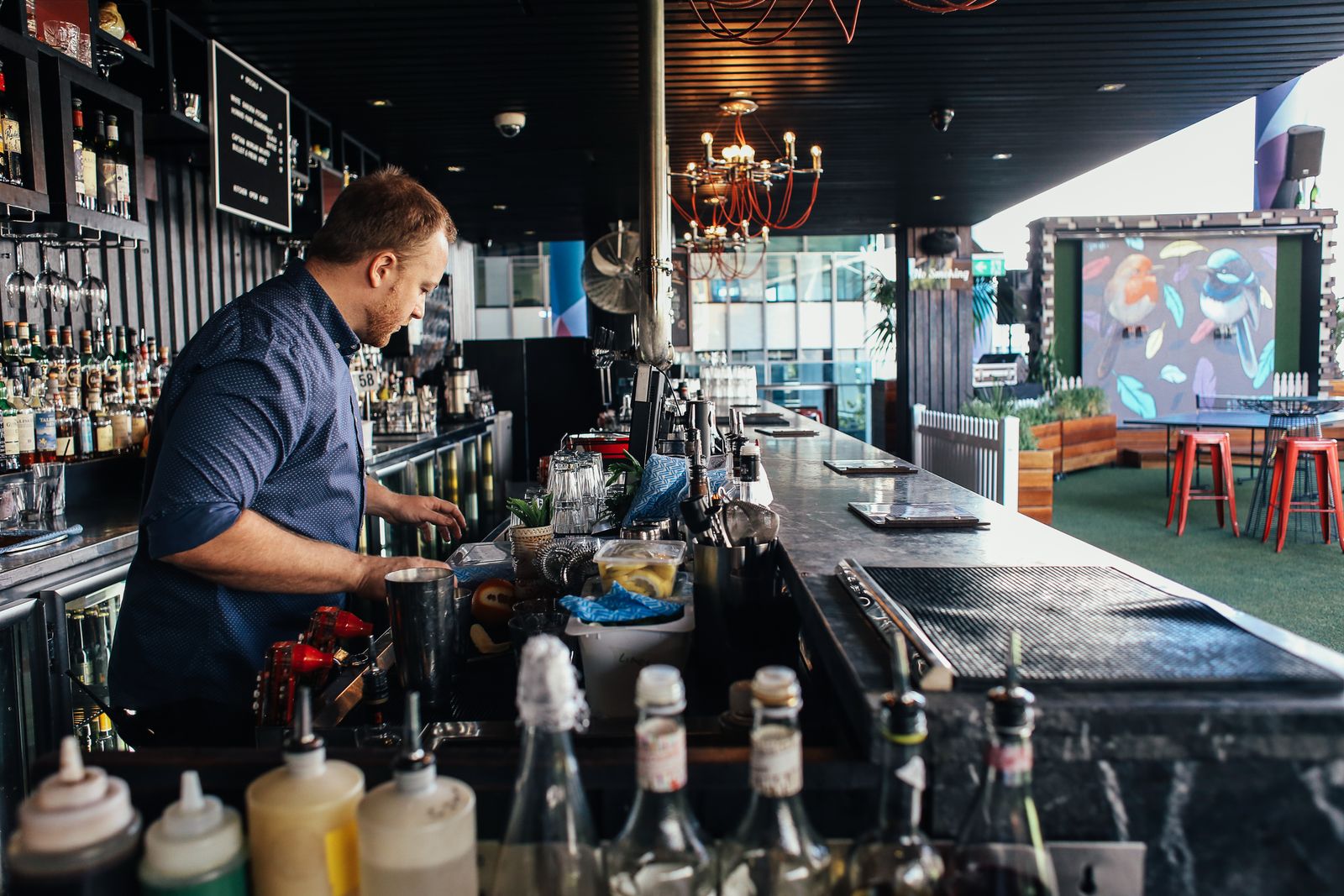
Photo by Rachel Claire on Pexels
You can tell how a bar closes by what the opening bartender does first. If they spend the first 20 minutes of their shift scrubbing somebody else's speed rail, the close isn't happening. And the reason usually isn't laziness. It's that the closing routine lives in the head of whichever bartender happens to be working, so it changes every night and nobody can be held to it.
A written bar cleaning checklist ends that argument. Not a laminated sheet of good intentions taped to the cooler, but an actual list with three layers: what gets done at open, what gets broken down at close, and the weekly work that never gets remembered because no single shift feels responsible for it.
Below is the full list, in the order a bartender should actually work it, plus who owns each piece and how to make it stick. There's a free version at the bottom you can fill in on this page and save as a PDF.
Why the Bar Slides Faster Than the Kitchen
Kitchens have structure built in. There's a chef, there are stations, there's a prep list, and somebody walks the line before service. The bar usually has one person, sometimes two, working alone for the last two hours of the night with nobody watching.
That's the whole problem in one sentence. The bar is the least supervised station in the building during the exact window when the most cleaning is supposed to happen.
Three things make it worse. Bar messes are sticky rather than dirty, so they hide until they're a real problem: syrup on a shelf looks like nothing for a week and then it's a science project. The bartender who creates the mess is almost never the one who finds it, since the closer leaves and the opener inherits it. And most of the worst spots are invisible from the guest side of the bar, which means nobody complains until something tastes wrong or a fruit fly lands in a martini.
None of this is fixed by telling people to clean better. It's fixed the same way you fix everything else on the floor, with a written routine, a named owner, and somebody who checks. That's the same logic behind our full restaurant cleaning schedule, which covers the kitchen and dining room side of the building. This post is the bar's version of it.
The Three Layers of Bar Cleaning
Every task behind the bar belongs to one of three lists, and mixing them is why most bar checklists fail. When the weekly work is buried inside the nightly list, the bartender learns to skip lines, and once they're skipping lines they're skipping all of them.
| Layer | What it covers | Owner | Verified by |
|---|---|---|---|
| Open | Setup and reset: fresh sanitizer, wiped surfaces, clean mats and guns, stocked garnish, glassware pulled and polished | Opening bartender | Manager walk before doors |
| Close | Breakdown: guns and rails soaked, wells emptied, drains and mats scrubbed, coolers faced, floors done last | Closing bartender (barback executes) | Manager sign-off before lockup |
| Deep | Weekly and monthly: beer lines, glass washer, cooler gaskets, back-bar shelving, ice machine, drain lines | Bar manager | Dated log, checked weekly |
The nightly close is the one that carries the operation. Get that right and the deep-clean list gets shorter on its own, because most of what builds up behind a bar is one week of skipped closes compounding.
The bar gets closed right whether you’re there or not.
The whole operation in one place, built around the way your restaurant already works. Money stops leaking, your time stops disappearing into follow-up, and every shift leaves a record with a name on it.
The Opening Bar Checklist
Opening is short if closing was done right. That's not a throwaway line, it's a diagnostic: if your opening list keeps growing, you don't have an opening problem, you have a closing problem.
The open covers four things. Set up fresh sanitizer buckets and cloths, and use test strips to confirm the mix rather than eyeballing the color. Wipe every surface a guest or a bartender touches: bar top, rail, stools, POS screens, cooler handles, and the beer tower. Get the working parts ready, which means clean mats laid down, soda and beer guns wiped, jigger and shakers pulled from the drying rack, and the ice well filled fresh. Then stock: garnish cut and dated, juices and mixers checked, glassware polished and racked.
The last item on the open is the most valuable one and it's the one nobody writes down. The opening bartender flags anything they inherited dirty, in writing, that shift. Not a complaint to a coworker in the walk-in. A line on the sheet, so the pattern is visible after two weeks instead of invisible forever. That handoff belongs in the same place as the rest of your shift communication, which is why it pairs naturally with a shift report template.
The Closing Bar Checklist (In Order)
Order matters more than effort here. Work wet to dry and top to bottom, or you'll clean the same surface twice and add 20 minutes to your close for no reason.
Start the soak first. Before anything else, pull the soda gun heads, beer gun nozzles, pour spouts, shakers, strainers, and the fruit-fly-magnet garnish caddies, and drop them into a sanitizing soak. They're working while the bartender keeps moving. Nothing else on the list is dependent on them, so soaking first is free time.
Then strip the top. Bar top, rail, and drink station. Break down the wells, dump the ice, and wipe them dry. Empty and wash the speed rails, don't just top them off, because the sticky ring at the bottom of a rail is the single most common thing an opener finds. Wipe cooler tops, the beer tower, and the underside of the bar overhang where the shaker spray lands.
Then the low work. Drains flushed and scrubbed. Floor mats pulled, hosed, and stood on their edge to dry rather than stacked flat. The rubber matting underneath is where the real smell lives. Cooler doors and gaskets wiped, bottles faced, and anything expired pulled.
Floors and trash last. Every drip from every step above has already landed. Sweeping first means sweeping twice.
Close it like this
- Soak parts first so they work while you do
- Speed rails emptied and washed, not topped off
- Mats stood on edge to dry, not stacked wet
- Floors and trash after everything above them
- Manager signs the sheet before lockup
Not like this
- Everything left until the room clears at 2:00
- Rails wiped on the outside only
- Mats stacked flat in a wet pile
- Sweeping first, then dripping on it
- Sheet ticked off in the parking lot
One more thing that belongs on the close and almost never makes the list: run the garnish. Dated, covered, and rotated, or dumped. Fruit flies are not a mystery. They're a container of cut citrus somebody left uncovered on a shelf, and they will cost you a table's opinion of your bar faster than a slow drink will.
Weekly and Deep-Clean Tasks
This is the list that quietly decides whether your bar is good or just looks good. None of it happens on a busy Friday and none of it is anybody's obvious job, which is exactly why it needs a calendar and a name attached.
- Beer lines. Put it on a fixed interval, log the date, and name the owner or the vendor. Dirty lines are the most common reason good beer tastes off, and guests notice before staff do.
- Glass washer. Pull and clear the jets, clean the screens, check the wash and rinse arms. A washer with clogged jets is running a cycle that only looks like it's working.
- Ice machine. The interior gets a deep clean and sanitize on a set schedule. This is the machine, not the service well behind the bar, which comes out and gets wiped every night at close. Scoops belong in a dedicated holder, never buried in the ice.
- Cooler gaskets and coils. Wipe the gaskets and vacuum the condenser coils. This is a cleaning task that shows up on your energy bill and in equipment life.
- Back-bar shelving. Every bottle off, shelves washed, bottles wiped, dead stock pulled. Nothing gets stickier and nothing gets ignored longer.
- Drain lines and floor sinks. Flushed on schedule, before the smell tells you it's time.
- Soda system. Nozzles and holsters broken down beyond the nightly soak, and the syrup rack wiped.
Write the interval down, write the owner down, and log the date each time. If a task doesn't have a date next to it, treat it as not done. That principle applies well beyond the bar, and it's the core of writing standard operating procedures that survive turnover.
Also worth saying plainly: intervals and products vary by jurisdiction, equipment, and volume. Confirm the specifics for your bar with your local health department and your equipment vendors. Industry resources like the National Restaurant Association are a reasonable starting point for general operational guidance.
Who Owns What, and How to Make It Stick
A checklist with no name on it is a suggestion. Put the closing bartender's name at the top of the nightly sheet, have a manager verify before the building is locked, and have the opening bartender flag inherited problems in writing.
Then check it unpredictably. Not every night, and not on a schedule anyone can time. Two or three spot-checks a week, on different items, is enough to keep the list honest. Pick the ones people fake: the underside of the bar overhang, the bottom of the speed rail, the rubber mat under the floor mats, and the inside of the ice well.
When something's missed, address it that shift, by name, without making it a scene. Accountability behind a bar is mostly about consistency of attention. Miss it twice and the message your team hears is that the list is optional, which is how a good bar becomes a sticky one in about six weeks. If your closing tasks tend to evaporate the moment things get busy, the wider fix is a real operating rhythm, which is what our daily operations checklist and the broader guide to restaurant operations are both built around.
The Free Bar Cleaning Checklist
Here's the whole thing in one place. Tick it off right on this page and hit Save as PDF, and your browser will export just the checklist, clean and ready to print. Or print a stack of blanks and keep them on a clipboard under the register.
Bar Cleaning Checklist
This is a starting template built from how well-run bars operate, not a complete or compliance checklist. Every bar, layout, and jurisdiction is different. Use the blank lines in each section to add your own tasks, and confirm the specific requirements, products, and intervals for your operation with your local health department.
Open
During service
Close: start the soak
Close: top down
Close: bottom up and out
Weekly / deep clean (owner + date required)
Pair it with the rest of the building. The full restaurant cleaning schedule handles the kitchen, dining room, and restrooms on the same daily, weekly, and monthly logic, so the bar list stops being an island.
If you want your bar closes assigned by name, timestamped when they're finished, and visible on your phone before you walk in the next morning, that's exactly what we build. Let's talk about what it would look like behind your bar.
Frequently Asked Questions
What should be on a bar cleaning checklist?
A complete bar cleaning checklist has three layers. Opening covers setup: fresh sanitizer buckets and cloths, wiped bar top and rail, clean guns and mats, stocked garnish. Closing covers breakdown: soda and beer guns pulled and soaked, speed rails emptied and washed, drains and mats scrubbed, ice well emptied and wiped, coolers faced and wiped, floors done last. Deep clean covers the weekly and monthly work nobody sees, like beer lines, glass washer jets, cooler gaskets, and the shelving behind the bottles.
How do you clean a bar at closing?
Work from wet to dry and top to bottom, in that order, or you will clean the same surface twice. Break down the guns, rails, and shakers into a soak first so they are working while you keep moving. Then strip the bar top, wells, and cooler tops. Then the low stuff: drains, floor mats, and the rubber matting behind the bar. Floors and trash go last, after everything above them has already dripped. A closing bartender who follows that order finishes 20 minutes faster than one who starts with a broom.
How often should you clean beer lines?
Put it on a fixed calendar interval and never let it float. Most operators run beer line cleaning every two weeks, and some go weekly on high-volume taps. What matters more than the exact number is that the date is written down, the same person or vendor owns it, and it gets logged when it is done. Dirty lines are the single most common reason good beer tastes off, and it is the kind of problem your guests notice before your staff does. Confirm the right interval for your setup with your draft system vendor.
Who is responsible for cleaning the bar?
The closing bartender owns the nightly list, and the bar manager owns the weekly and deep-clean list. Name them on the checklist itself. The fastest way to end up with a sticky bar is a list where every task belongs to "the bar team," because a task that belongs to everyone belongs to nobody. Barbacks can execute most of the breakdown, but the closing bartender signs off, and a manager verifies before the building is locked.
How long should closing the bar take?
Between 30 and 45 minutes after last call for a standard service bar, assuming the bartender started rolling breakdown during the last hour instead of waiting for an empty room. If your close routinely runs over an hour, the problem is usually sequencing rather than effort. Look for the two classic time sinks: everything left until the room clears, and tasks done in the wrong order so surfaces get cleaned twice.
What is the difference between cleaning and sanitizing behind the bar?
Cleaning removes the visible mess, and sanitizing treats the surface after it is already clean. They are two steps, not one, and doing them out of order wastes both. Sanitizer applied over syrup residue is mostly decoration. Wipe first, then sanitize, then let the surface air dry rather than towel-drying it off immediately. Your local health department is the right source for the specific products, concentrations, and intervals your bar should be using.
How do you get bartenders to actually finish the closing checklist?
Check it, visibly, on a schedule they cannot predict. A closing list that nobody ever inspects becomes a list that gets ticked off in the parking lot. Have the opening bartender flag anything they inherit dirty, have a manager spot-check two or three items a few nights a week, and follow up by name the same shift. Accountability is not about catching people. It is about making it clear that the list is real, because a list nobody checks stops being a list within a month.